The timeline
The 1960s — The community arrives
Post-war Caribbean immigration builds Toronto's West Indian communities, bringing the sounds of Jamaica, Trinidad, Barbados, and beyond: the sound systems, the calypso and ska records, the church and community-hall dances. The musical infrastructure arrives with the people — and immediately starts Canadianizing.
1967Caribana is born
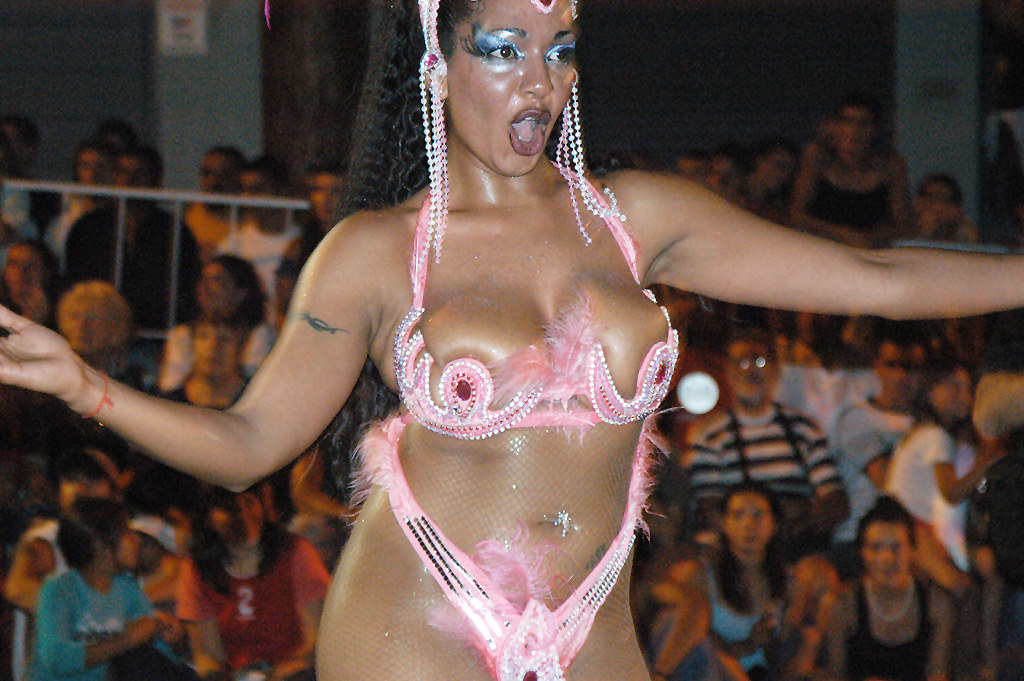
Toronto's Caribbean community stages the first Caribana — a carnival celebration of Caribbean culture that becomes the city's defining summer event (today the Toronto Caribbean Carnival). The parade's soundtrack — soca, calypso, steel pan — plants Caribbean rhythm at the heart of Toronto's civic identity, where it has stayed ever since. Every July, the city's biggest street party runs on soca, and has for half a century.
The 1970s–80s — The reggae wave
Toronto develops its own genuine reggae scene — not an import but a local sound, built by Jamaican-Canadian musicians in the city's clubs and studios, with its own recording infrastructure and radio champions. The scene produces artists who command respect from Kingston itself: Toronto reggae becomes a known quantity in reggae's global map, and the city's sound systems keep the culture's heartbeat in the diaspora. The influence spreads outward — into the city's hip-hop (the island cadence in Toronto rap is a direct inheritance — see our hip-hop history) and its pop (the dancehall pulses under mainstream Canadian hits to this day).
The 1990s–present — The inheritance
The Caribbean tradition becomes Toronto's default rhythmic language: the patois and patois-inflected flows in the city's rap (from Maestro's era forward — see our features), the soca season's grip on every summer playlist, the Caribbean church traditions that trained half the city's singers, and the crossovers that keep multiplying — reggae-fusion, soca-pop, dancehall-influenced R&B. Toronto's biggest global export, the Toronto rap sound itself, runs on a Caribbean metronome.
Why it matters
The Caribbean connection matters because it's the proof that Canadian music's greatest strength — the diaspora's double fluency — has been operating for sixty years. The city's rhythm isn't a flavor; it's a foundation. When the world dances to Toronto's beat, it's dancing to a beat that came by boat from Port of Spain and Kingston, found a home in the 6ix, and never left. Caribana's founders understood it in 1967: the carnival is the city.
Frequently asked questions
What is Caribana?
Toronto’s Caribbean carnival celebration — founded in 1967, now the Toronto Caribbean Carnival, one of the world’s largest Caribbean festivals and the city’s defining summer event.
Does Toronto have its own reggae scene?
Yes — a genuine local reggae tradition built by Jamaican-Canadian musicians, with its own recording infrastructure and international respect since the 70s–80s.
How did Caribbean music influence Toronto rap?
The island cadences, patois flows, and dancehall rhythms are foundational to the Toronto rap sound — a direct inheritance from the city’s Caribbean communities.