Chapter one: the community
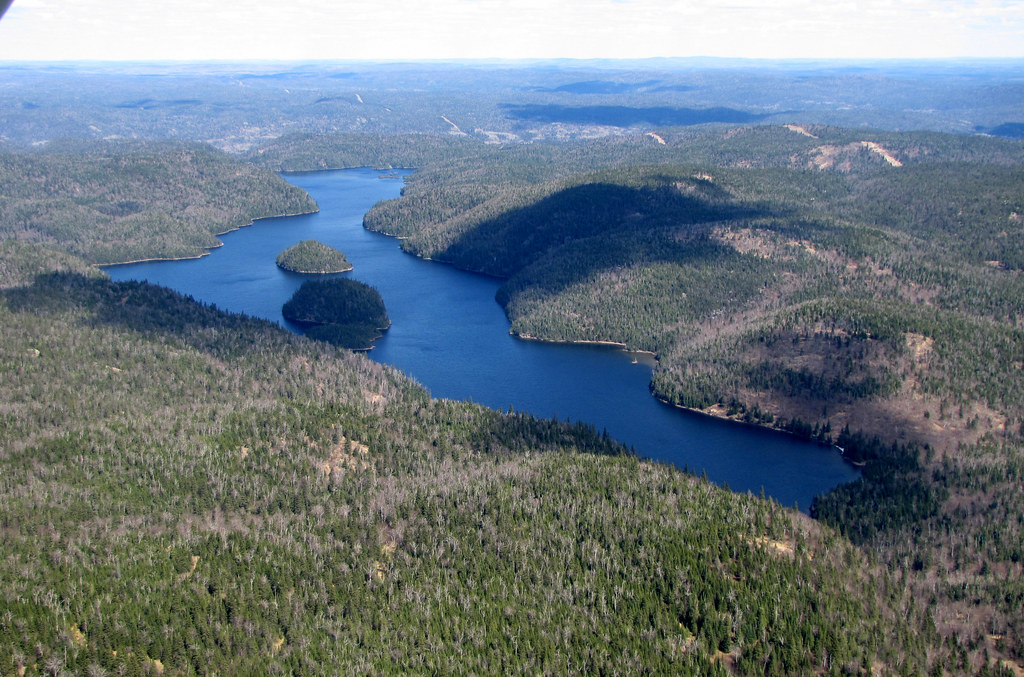
Franco-Ontario's geography tells the story: the northeastern communities (Hearst, Kapuskasing, Timmins, Sudbury) where French is the street language; the Ottawa region, the community's capital, where Franco-Ontario culture runs its institutions; and the scattered pockets across the province where French survives on stubbornness and school boards. For most of the community's history, its musicians had two choices: sing in English and disappear into the mainstream, or head to Montreal and disappear into Quebec's scene. The community's institutions — the festivals, the community radio, the cultural centres — kept the music alive in the meantime.
Chapter two: the breakout
The breakout generation's signature is staying: artists building French-language careers from Ontario, using the tools the Quebec industry pioneered (the chanson tradition, the star-making TV) while telling specifically Ontario stories — the bilingual life, the in-betweenness, the particular freedom of a francophone culture that doesn't have to carry a nation's identity on its back. The artists vary — folk-craft traditionalists, indie songwriters, pop performers — but the through-line is a new confidence: Franco-Ontario not as a diaspora of Quebec but as a scene of its own, with its own sound, its own audiences, and its own claim on the country's francophone future.
Chapter three: the third solitude finds its voice
The breakout is landing: Franco-Ontarian artists on the francophone charts and festival stages, the community's events drawing crowds the Quebec scene increasingly recognizes as its own? — keep it clean: as a market of its own, and a new generation of young francophone Ontarians growing up with artists who sound like them, from where they're from. In the country's ongoing conversation about the French fact, Franco-Ontario's music is the argument that the conversation was always bigger than Quebec — that the "two solitudes" have had a third voice all along, and it's singing in French with an Ontario accent.
Why it matters
Franco-Ontario matters because it completes the map of Canadian music's francophone geography: not a province's annex but a scene of its own — four centuries old, a million strong, and finally audible on its own terms. The breakout generation isn't asking permission. It's booked the stage.
Frequently asked questions
What is Franco-Ontario music?
French-language music made in Ontario — a four-century tradition from the northeastern francophone communities, now in a breakout era of artists building careers in French from Ontario.
Who are Franco-Ontario musicians?
A rising generation of francophone artists across folk, indie, and pop — with the community’s stars increasingly visible on francophone charts and festival stages.
Where is Ontario’s francophone music scene centered?
The Ottawa region and the northeastern communities (Hearst, Kapuskasing, Timmins, Sudbury), with institutions across the province.