Chapter one: the lumber camps
The 19th century's great lumber industry — the Ottawa Valley, the New Brunswick forests — drew men into remote camps for brutal winter seasons, and the camps made their own culture: the shanty? — no: the men's culture of song. The lumberjack repertoire (preserved by collectors — see our Creighton and field-collectors features) was functional and social: songs to pace the work, songs for the bunkhouse evenings, ballads of camp life and its dangers ("The Jam on Gerry's Rocks" — the log-jam disaster ballad — being the canonical example). The songs were comic and fatalistic in equal measure — the lumberjack's required attitude toward a job that could kill him — and they mapped an industry: every river, every camp, every occupational hazard set to verse.
Chapter two: the mine shafts
Coal mining generated Canada's darkest song tradition: the disaster ballad. Mining towns lived under permanent catastrophe (fire, flood, "bump" — the sudden collapse of a worked-out seam), and each catastrophe generated its commemorative song: the Springhill disasters — the 1891 fire, the 1910 fire, and the 1958 bump, which trapped miners for days and was commemorated in song across the folk world (the event made international news and the ballads followed, keeping the town's grief and pride in the repertoire). The disaster ballad is the work-song tradition at its most grave: journalism set to melody, community memory set in verse, the miners' names carried by song long after the shafts closed.
Chapter three: the rails and the afterlife
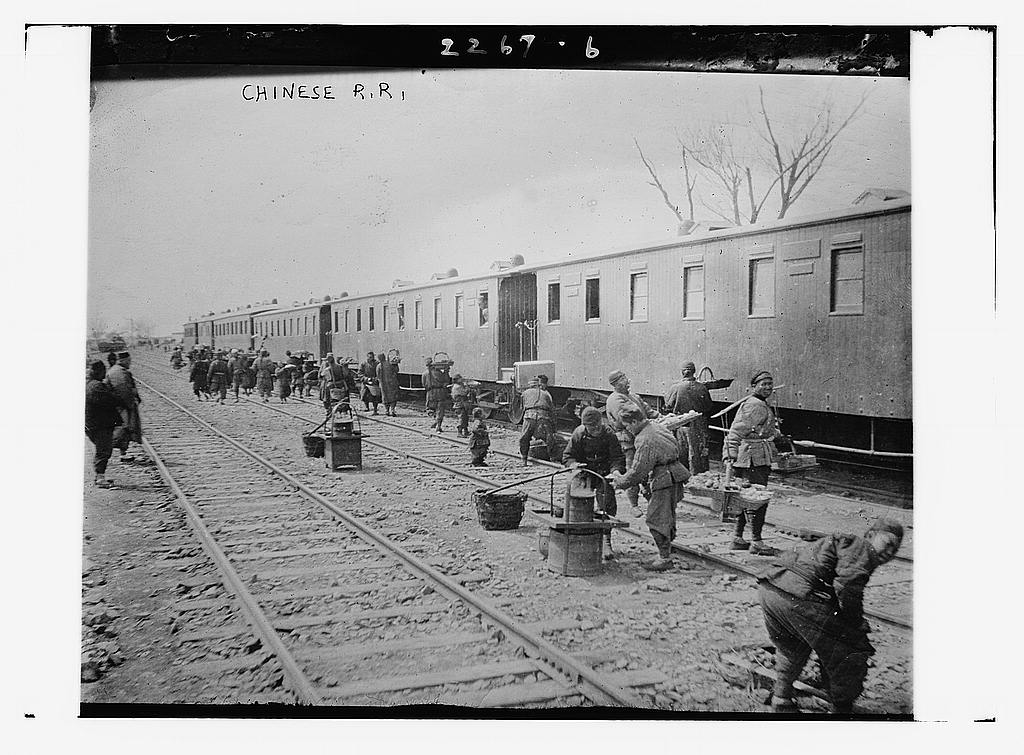
The railway — the building of which killed more than a thousand workers? — keep it light: the building of which cost a terrible human toll — generated its own songs: the steel-driving rhythms, the hobo and navvy ballads, the Chinese-Canadian railway workers' story (under-documented in the traditional canon — a gap the current generation of artists is correcting). And the tradition's afterlife runs long: the folk revival sang the work songs (see our 60s feature), Stompin' Tom made working people his whole subject (see our feature), and the current trad wave (see our features) keeps the repertoire in circulation. The work changed; the songs remain — the archive of a country built in rhythm.
Why it matters
Work songs matter because they're history's first draft, sung: the record of the people the official histories forgot — the lumberjacks, the miners, the track-layers — in their own voices and their own verses. When Springhill's mines closed, the songs kept the town's memory. When the last camp closed, the ballads kept the rivers. The country was built in song. The songbook is the blueprint.
Frequently asked questions
What are Canadian work songs?
The musical traditions of the country's industrial labor — lumber-camp songs, mining disaster ballads, and railway workers' repertoire — documented by folklorists like Helen Creighton and Marius Barbeau.
What is “The Jam on Gerry’s Rocks”?
The canonical Canadian lumberjack ballad — a log-jam disaster rendered in verse, the most famous song of the Ottawa Valley tradition.
What songs came from the Springhill mining disasters?
A body of disaster ballads commemorating the 1891, 1910, and 1958 Springhill mine disasters — community memory set to melody and carried in the folk repertoire ever since.