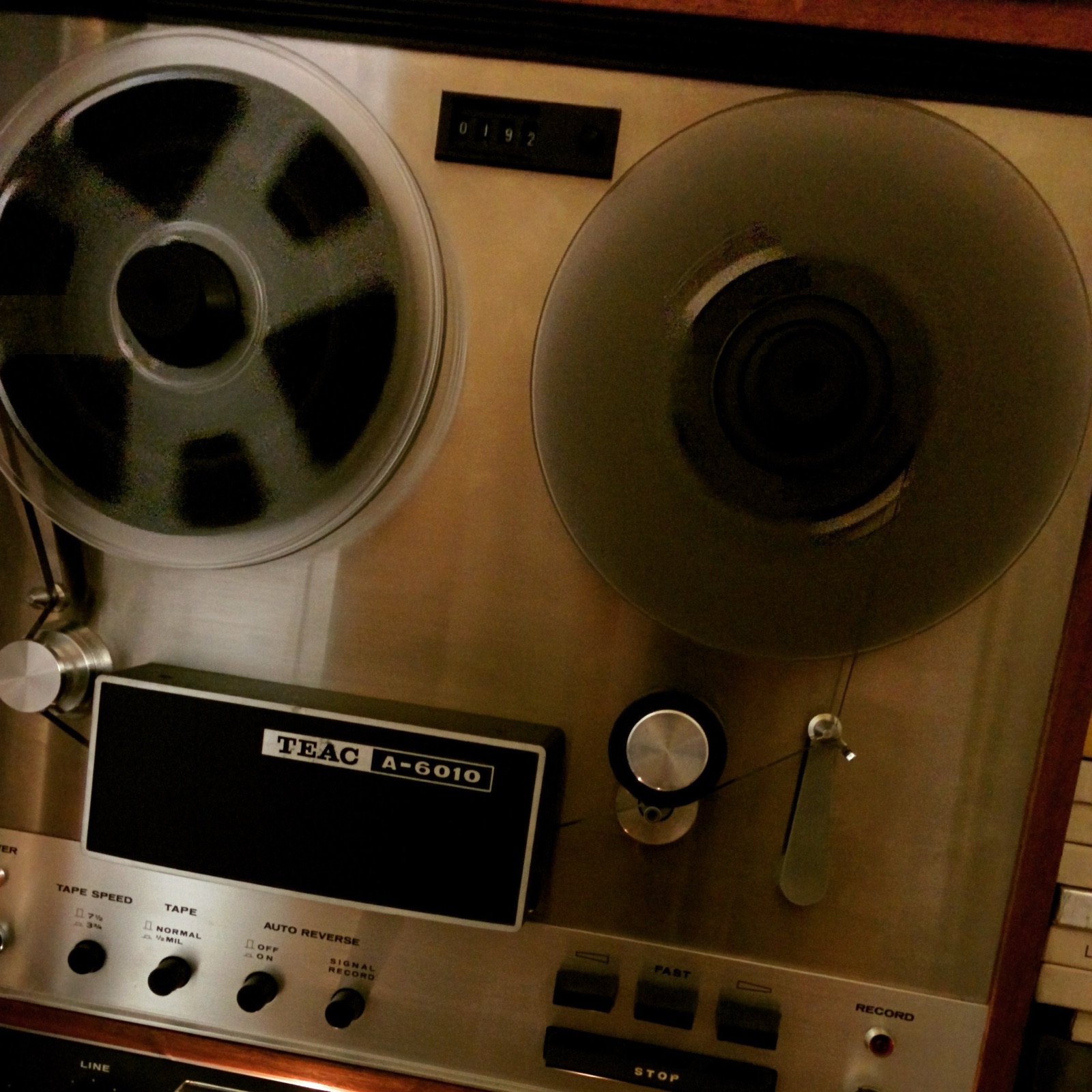
The one-take canon
- The vocal that happened once — Every producer has the story: the demo vocal, the warm-up run, the take the singer didn't know was the take — and the decades of failed attempts to recapture it. The Canadian lore (see our craft features) is unanimous: the first pass carries the discovery; the second carries the knowledge of the first — and discovery, it turns out, is the sound audiences love.
- The jazz and trad standard-bearers — The genres where one take isn't bravery but practice (see our jazz and trad features): the improvisation recorded the way it was invented — once, in the moment, never to be repeated (the solo that exists on exactly one master tape, the session the record preserves because it can't be redone).
- The off-the-floor first passes — The full-band first takes (see our off-the-floor feature): the run-through the band thought was rehearsal — captured by the engineer who knew better? — keep it light: captured by the engineer who hit record anyway. The energy of not knowing this was the take: the secret ingredient the other twenty takes spent trying to find.
- The live-album peaks — The concert moments (see our live-albums feature): the song the band caught exactly right in front of the world — the one-night-only performance that became the definitive version, impossible in the studio because the crowd was the ingredient.
- The happy-accident firsts — The first-take accidents (see our happy-accidents feature): the wrong note, the squeak, the tempo lurch — kept because they happened once, in the one pass where everything else was right. The accident you can only get by not re-recording it.
Why one take wins
One take wins because music is time before it's sound: the performance happens once, in real time, and the recording's job is to be there when it does. Canada's musicians (see our venue and scene features) are raised in the rooms where you get one shot — the bar set, the festival slot, the community-hall dance — and the one-take tradition is those rooms' lesson applied to tape: be ready, be present, play it like it counts. Because it counts once. The tape knows.
Frequently asked questions
Why is the first take often the best?
Because it carries the surprise and discovery — the musicians hearing themselves for the first time — which later takes trade for polish (and polish, past a point, removes what audiences love).
What Canadian records were one-take performances?
The trad and jazz canons treat one-take as standard practice; the broader lore (see our craft features) is full of first-take vocals and off-the-floor band passes kept over the “better” takes.
Do producers still record first takes?
Yes — the first-take tradition endures precisely because the digital era made infinite takes possible: the discipline of the one pass is now a craft choice, and the results keep proving it right.