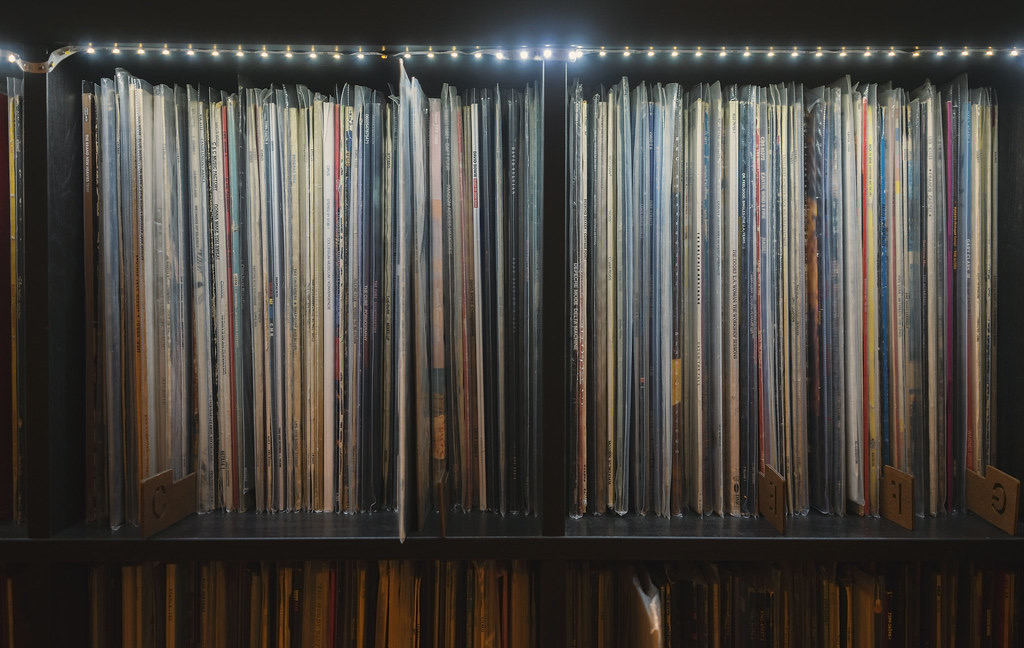
The vault's greatest hits
- ***Homegrown* — Neil Young (recorded 1975, released 2020)** — The most famous lost album in Canadian history: an intimate, heartbroken record cut in the wake of a breakup, shelved when Young decided it was "too personal" — and replaced, famously, by Tonight's the Night's darkness? — keep it clean: shelved when Young judged it too raw, its songs scattered across other records for decades. When it finally arrived in 2020, it sounded like a lost Harvest-era masterpiece — because it was. Forty-five years is the longest tease in Canadian music.
- The shelved-label records of the CanCon 70s — The early-70s industry was a casino: labels signed Canadian acts, cut albums, then folded or flinched — leaving finished LPs in warehouses and rights limbo. A whole subgenre of 70s Canadian rock exists only as original pressings and, eventually, reissue-archaeology. The era's crate-diggers know: some of the best records of the decade were the ones nobody could buy.
- The Bachman vaults — Canada's most prolific songwriter-archivist (see our Guess Who feature) has teased decades of unreleased material — studio sessions, live tapes, and the endless question of the unreleased Randy Bachman catalog. The vault keeps promising; fans keep hoping; the tapes keep their own counsel.
- The Hip's unheard hours — A band that recorded as compulsively as it toured leaves a mountain of soundboard tapes, studio outtakes, and jam sessions — of which the Live Between Us-era releases? — keep it clean: of which the official live releases are only the beginning. The archive question (what's in the Bathouse vault?) is one of Canadian rock's great will-they-won't-they stories.
- The Morrissey? no — the master-tape fires and floods — Beyond the deliberately shelved lies the tragically lost: master tapes destroyed in fires and floods across the industry's history — the universal tragedy of recorded music, with Canadian casualties of its own. What's gone is gone; what's digitized survives.
- The deliberately buried — Some artists bury records on purpose — withdrawn after release, pulled for legal or personal reasons, vanished from streaming. Canada's catalog has its share: albums that exist in memory and used bins but not on the services. The lost-album underground keeps the flame: fan rips, discographies, and the eternal hope of reissue.
Why lost albums fascinate
A lost album is Schrödinger's record — perfect because unheard, legendary because absent. And when one finally surfaces (Homegrown being the Everest of the genre), it does something rare: it makes an old story new again. The vaults of Canadian music aren't empty. They're patient. And Homegrown proved that, sometimes, forty-five years is just a long intermission.
Frequently asked questions
What is the most famous lost Canadian album?
Neil Young’s Homegrown — recorded in 1975, shelved as too personal, and finally released in 2020 to critical acclaim.
Why do record labels shelve finished albums?
Label economics (foldings, mergers, changed priorities), artist second thoughts, legal entanglements, and timing — the lost-album causes are as varied as the records themselves.
Are there Canadian albums that can never be heard again?
Some masters were lost to fires and floods, and some records were withdrawn and never reissued — but the reissue era keeps rescuing the “lost”; the vault, as Homegrown proved, is never fully closed.