Chapter one: the two minutes (2000)
The formula was disarming: a nervous-looking man walks onto a stage (the commercial's theatrical framing — a single spotlight, an arena crowd? — keep it light: a single spotlight, an audience), and begins: a rapid-fire inventory of Canadian identity, in the negative and the affirmative — "I'm not a lumberjack or a fur trader... I don't live in an igloo... I believe in peacekeeping, not policing" — the rhetoric building (the litany form: humble corrections escalating into full-throated pride — "I AM CANADIAN!" — the catchphrase detonating the arena). The ad's genius was its liturgy: it gave the country's quiet, self-deprecating identity a speech-act — a creed performable by anyone, anywhere, at any volume. Douglas's everyman delivery (the guy next door, suddenly magnificent? — keep it light: the guy next door, suddenly orator) made the pride accessible: this wasn't a statesman's address; it was the whole country's inside voice, given a microphone.
Chapter two: the adoption
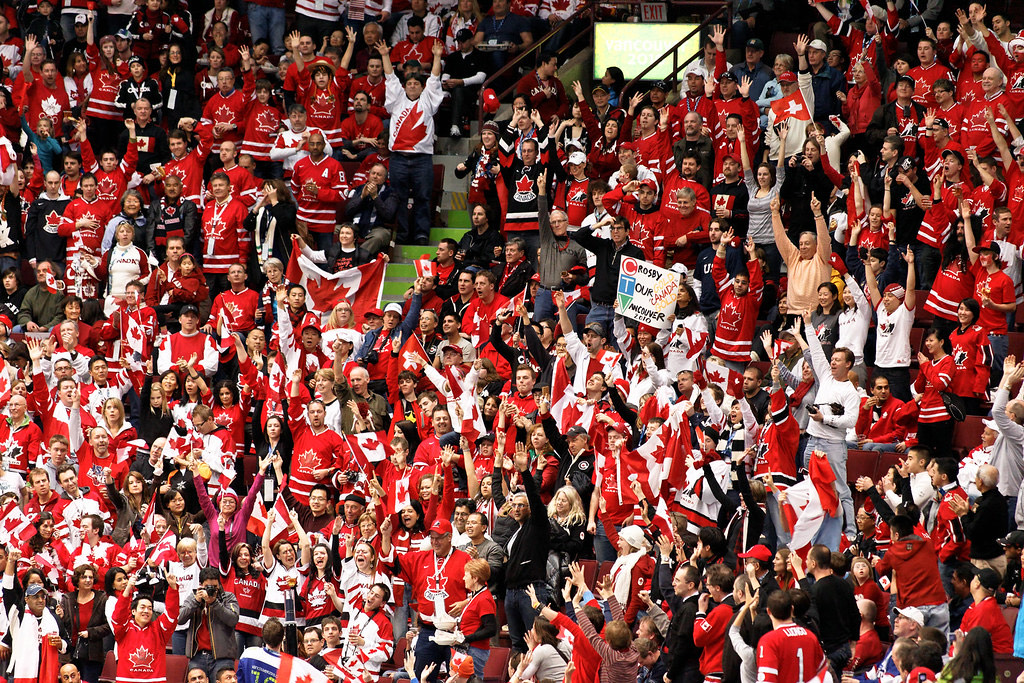
The country took it over immediately: recited in classrooms and at hockey games (the "I am Canadian" chants filling arenas — the catchphrase's afterlife as actual crowd ritual), parodied and adapted endlessly (every province, every subgroup, every occasion got its version), and embraced by the very institutions the ad gently mocked? — keep it light: embraced by the national conversation it seemed to parody. The campaign's run made it the defining piece of Canadian advertising — and, more than that, a genuine cultural artifact: the two minutes where advertising, identity, and oratory fused into something the country kept. (The twist of history: Molson's later merger with an American brewer gave the anthem an ironic coda? — keep it light: Molson's later American merger gave the creed an ironic footnote the country enjoyed noting.)
Chapter three: the creed endures
A quarter-century on, the rant's afterlife is settled: quoted in parliaments? — keep it light: quoted everywhere from parliaments to pubs, parodied by every generation (the form — the litany of "I'm not X, I am Y" — becoming a national rhetorical template), and studied (genuinely) as the country's defining piece of identity rhetoric — the moment the advertising industry accidentally wrote a founding text. It wasn't a song (see our anthem features for the sung competition), but it functions like the national anthem's spoken-word cousin: the creed you can recite, the pride you can perform, the two minutes that made a country say itself out loud. "I AM CANADIAN." The guy in the plaid shirt said it first. The whole country said it back.
Why it matters
It matters because national identities need speech-acts — performable, memorizable texts that let the private feeling become public ritual — and in 2000, a beer ad delivered Canada's most effective one. The rant understood the national temperament perfectly: the humility, the corrections, the delayed but total pride. Advertising wrote the creed. The country kept it. That's the most Canadian outcome imaginable.
Frequently asked questions
Who said “I Am Canadian”?
Actor Jeff Douglas — performing the Molson “Joe Canadian” rant, first aired in 2000.
What is the “I Am Canadian” speech?
A two-minute monologue (a Molson beer commercial) cataloguing Canadian identity — famous for its litany of corrections and its climactic “I AM CANADIAN!”
Is “I Am Canadian” still famous?
Yes — recited, chanted, parodied, and studied for a quarter-century as the country’s defining modern identity text.