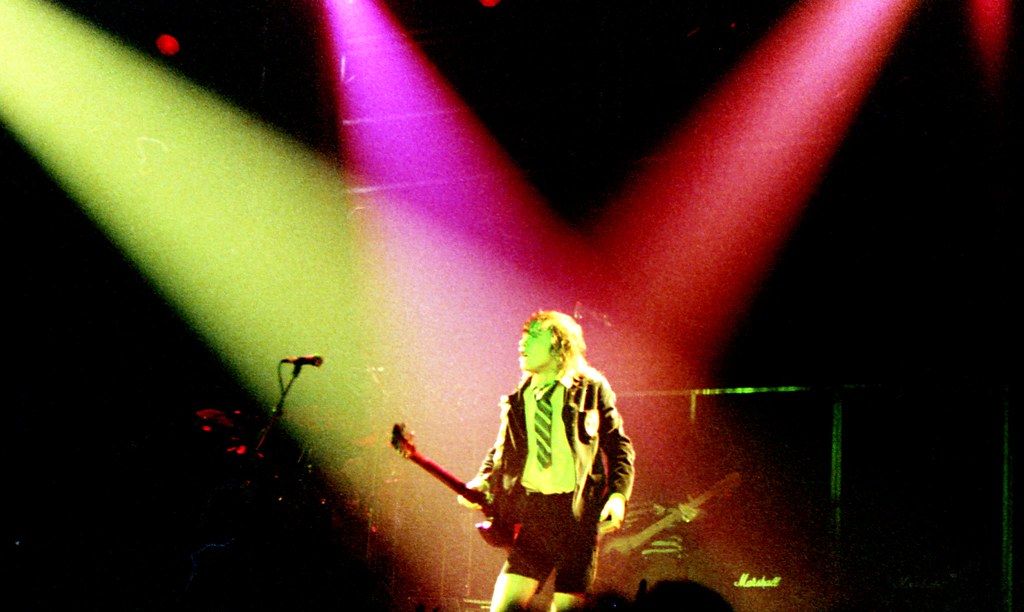
Chapter one: the 80s forge
Calgary's metal foundations were laid in the classic 80s pattern: the denim-and-leather club circuit, the cover bands graduating to originals, and the teenage fans who traded tapes and formed bands with the prairie's characteristic completeness of commitment (see our Edmonton feature for the sibling scene). The city's isolation from the coasts — eight hours to Edmonton, much farther to anywhere else — produced the same forge effect as everywhere in the region: scenes that are small, dense, and serious. The venues that hosted the 80s wave became the tradition's home rooms, and the musicians who came up through them carried the scene into its next phases.
Chapter two: the modern incubator
Calgary's metal reputation in the modern era rests on its extreme and traditional wings alike: technical death metal, thrash revivalism, and the trad-metal traditionalists — Kobra and the Lotus, the internationally-touring Calgary metal band? — keep it clean: Kobra and the Lotus, the Calgary trad-metal export — headline the export story, alongside a wider ecosystem of extreme-metal bands with international followings. The scene's infrastructure matches the music: the all-ages spaces, the festivals and one-off package shows, the community that packs local bills with the same fervor it reserves for touring acts, and the cross-pollination with the hardcore and punk scenes next door (see our Calgary and prairie features). Prairie metal, it turns out, is a community, not a genre ghetto.
Chapter three: the Stampede city sound
What distinguishes Calgary metal is the same thing that distinguishes the city: work ethic and self-sufficiency — the oil-patch sensibility applied to music. The bands tour relentlessly (Calgary is far from everything, so every band becomes a road band), the standards are high (the community polices quality at the local level), and the attitude is unpretentious (see our Calgary-music coverage). The result is a scene that keeps producing bands with international careers and a local culture that treats metal as a civic tradition — part of the same frontier identity that gave the city everything else loud.
Why it matters
Calgary matters because metal, like punk, is where isolation becomes an advantage: the city's distance from the industry's centers forced the scene to build its own everything — rooms, festivals, followings — and the result is self-sustaining in a way coastal scenes, with their industry dependencies, sometimes aren't. The Stampede city bangs its head, has for forty years, and will outlast whatever trend is currently trying to kill metal. Metal's death has been greatly exaggerated. Calgary has the receipts.
Frequently asked questions
Is there a metal scene in Calgary?
Yes — a four-decade hub spanning 80s club-circuit origins to a modern extreme-metal and trad-metal ecosystem with international exports.
What metal bands are from Calgary?
Kobra and the Lotus is the best-known export; the city’s scene spans technical death metal, thrash, and traditional heavy metal.
How does prairie metal differ from Toronto or Montreal metal?
More isolated and self-sufficient — road-tested bands, community-run infrastructure, and the prairie work ethic applied at metal volume.