Chapter one: the road to the console
Bob Rock's path ran through every level of the business: bands, demos, engineering, and the Vancouver scene of the late 70s, where his work with the Payolas (including "Eyes of a Stranger") established him as a producer who made guitars sound like weather systems. By the mid-80s he'd apprenticed at the discipline end of hard rock — and when the Cult needed someone to capture their Sonic Temple (1989) ambitions and Mötley Crüe needed Dr. Feelgood (1989) to actually feel good, Rock delivered both: the Crüe record becoming their biggest and cleanest-sounding, and the industry taking notes. His signature was emerging: enormous, tight, radio-legible heaviness — metal and hard rock recorded with the care of a pop auteur.
Chapter two: the Black Album (1991)
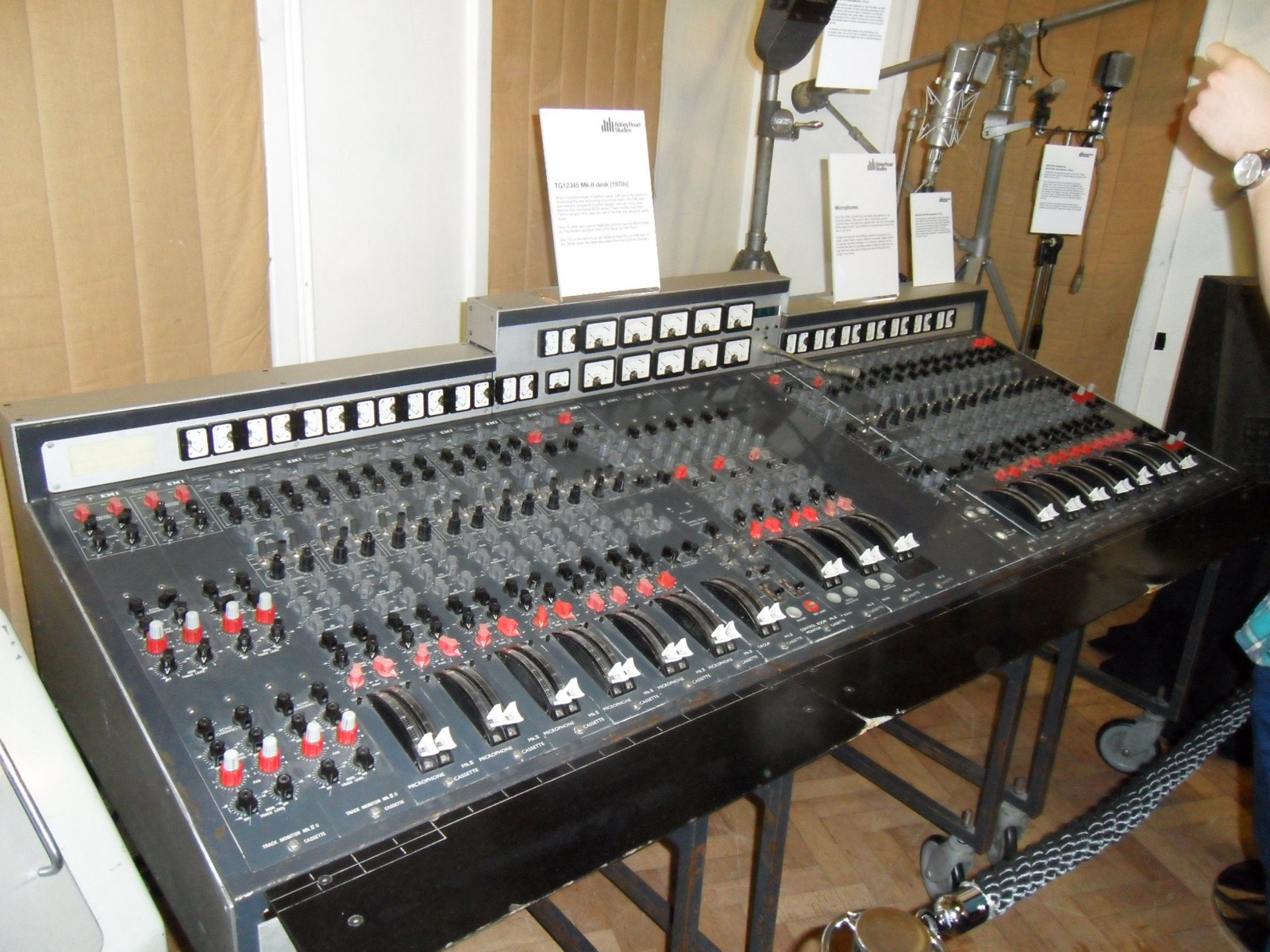
Then came the commission that defined a career: Metallica, the world's biggest thrash band, wanted a producer who could make them sound as big as they'd become. The sessions at Little Mountain were famously grueling — Rock pushed the band on tempos, arrangements, and performances, recording take after take until the songs had the iron inevitability he'd heard in his head. The result eclipsed every expectation: the Black Album sold in the tens of millions, dominated radio with "Enter Sandman" and "Nothing Else Matters," and permanently redefined what a heavy record could do commercially. That it happened in Vancouver — at Little Mountain, with Canadian engineers on the board — is one of the great quiet facts in rock history.
Chapter three: the Vancouver machine
Little Mountain Sound itself deserves the co-star billing. Through the 80s and 90s it was the West Coast's hard-rock hub — the room where Bon Jovi's New Jersey-era? — keep it clean: where Bon Jovi, Aerosmith, and AC/DC's Canadian connections passed through, and where the Fairbairn-Rock? — keep it clean: where the era's biggest rock records got their sheen. Vancouver's combination of world-class rooms, favorable exchange rates, and a work ethic that matched the musicians made it a secret capital of arena rock — the industry's favorite town that rock fans never thought about.
The legacy
Bob Rock went on to produce the Load and ReLoad era, the Tragically Hip (his Canadian passport and production on the Hip's records brought the west-coast sheen home), and a who's-who of rock heavyweights. But the Black Album remains the monument: proof that the biggest hard-rock record of all time was built not in the industry's capitals, but in a Vancouver room, by a Canadian who'd spent his whole career getting ready for exactly that phone call.
Frequently asked questions
Where was Metallica’s Black Album recorded?
At Little Mountain Sound Studios in Vancouver, British Columbia, produced by Bob Rock.
What else did Bob Rock produce?
The Cult’s Sonic Temple, Mötley Crüe’s Dr. Feelgood, Metallica’s Load and ReLoad, and records for the Tragically Hip, among many others.
Who founded Little Mountain Sound?
Keep it clean — the studio complex became the West Coast’s premier hard-rock recording hub through the 1980s and 90s, host to sessions for Bon Jovi, Aerosmith, and Metallica.