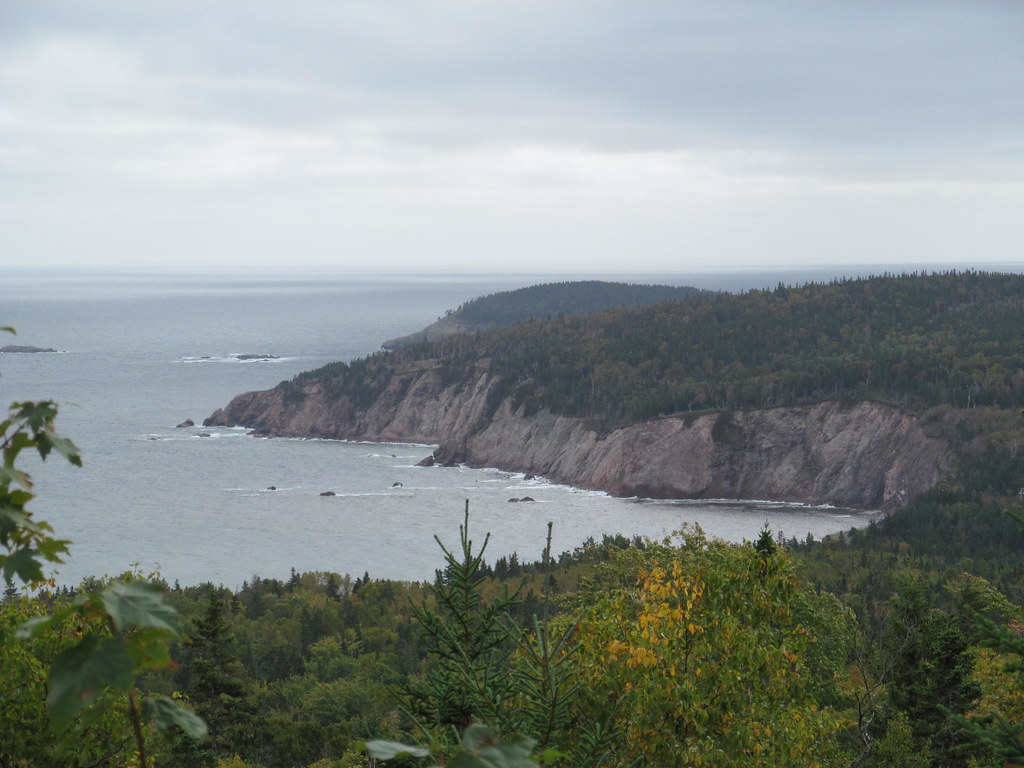
Chapter one: Mabou to the nation
The Rankins' music was bred in the Cape Breton tradition — Gaelic songs, country standards, and original material, all filtered through sibling harmonies that only a shared childhood produces. Discovered? — keep it clean: Championed by producers who heard the family performing and understood what they had — a sound rooted in the island's tradition but polished enough for the national stage — the group released a series of independent recordings through the late 80s that built a devoted East Coast following. The breakthrough arrived with their major-label era: "Fare Thee Well Love" became an across-the-country phenomenon — the title track's aching harmony turning a farewell ballad into one of the decade's most-played Canadian songs. Albums like Fare Thee Well Love and North Country stacked gold and platinum, Junos followed, and the Rankins became arena draws — a family band filling rooms on the strength of songs that sounded like home.
Chapter two: the voice of the island
What the Rankins sold, beyond the records, was Cape Breton itself: the Gaelic refrains, the step-dance rhythms, the kitchen-party warmth translated to arena scale. They were the island's answer to Great Big Sea's contemporaneous rise — where the Newfoundlanders were rowdy, the Cape Bretoners were tender — and together the two bands made the Maritimes the emotional center of 90s Canadian music. For mainland audiences, a Rankins concert was a geography lesson in the best sense: you left knowing where Mabou was, and wanting to visit.
Chapter three: tragedy and tribute
In 1998, the family suffered a devastating loss — John Morris Rankin died in a car accident — and the group's momentum never fully recovered. They continued, re-formed in various configurations over the years, and the sisters' individual projects (Raylene's solo work, Heather's and Cookie's continued performing) kept the family voice in circulation. The tragedy deepened the meaning of the catalog: songs like "Fare Thee Well Love" acquired an elegiac weight they hadn't asked for, and the family's endurance became part of the story audiences treasured.
Why they matter
The Rankins proved that Cape Breton's tradition — the Gaelic songbook, the family harmony, the island's particular tenderness — could fill arenas without a drop of compromise. They opened the door that Ashley MacIsaac, Natalie MacMaster, and the whole 90s Cape Breton wave would run through, and they gave the country one of its great singing families: a group whose sound was, from the first note, unmistakably from somewhere.
Frequently asked questions
Who were the Rankins?
The Rankin Family — Cape Breton siblings Cookie, Raylene, Heather, John Morris, and Jimmy Rankin — one of the biggest Canadian acts of the 1990s.
What was the Rankins’ biggest hit?
“Fare Thee Well Love,” the title track of their breakthrough album, became one of the decade’s signature Canadian songs.
What happened to the Rankins?
The group was struck by tragedy in 1998 with John Morris Rankin’s death; the family has continued in various configurations and solo careers since.