The Band's story is Canada's deepest export: not just music, but a whole way of hearing North America.
Act I: Hawks in the wild (1960–1964)
The core came together in Ontario and the American South's orbit: Robbie Robertson (Toronto), Rick Danko (Simcoe), Richard Manuel (Stratford), and Garth Hudson (London, Ontario) — four Canadians — alongside Levon Helm, the Arkansas-born drummer whose family band steeped him in the region's music. Hawkins, a rockabilly wildman who'd relocated to Canada, hired the teenagers for his road show and drilled them mercilessly.
By 1963, tired of Hawkins' discipline, they went independent as Levon and the Hawks, playing the roughest bars on the continent. The apprenticeship mattered: years of six-nights-a-week performing forged a telepathic ensemble sound — Hudson's churchy organ, Danko's melodic bass, Helm and Manuel's intertwined voices, Robertson's stinging guitar.
Act II: The electric storm (1965–1966)
Bob Dylan hired them as his backing band for the infamous 1966 world tour, when folk purists jeered the amplified set every night. The Hawks were booed from Manchester to Los Angeles — and emerged as the most accomplished rock band alive. When Dylan retreated after his motorcycle accident, the group followed him to Woodstock, New York, and a house called Big Pink.
Act III: Big Pink and the basement (1967–1969)
In Big Pink's basement, the musicians traded ideas with Dylan — the raw tapes later surfaced as The Basement Tapes — and, more importantly, developed their own material. The songs that became Music from Big Pink (1968) sounded like nothing else in rock: sepia-toned, mythic, communal. "The Weight" — with its impossible-to-parse Nazareth travelogue — became an instant standard, covered endlessly and still definitive.
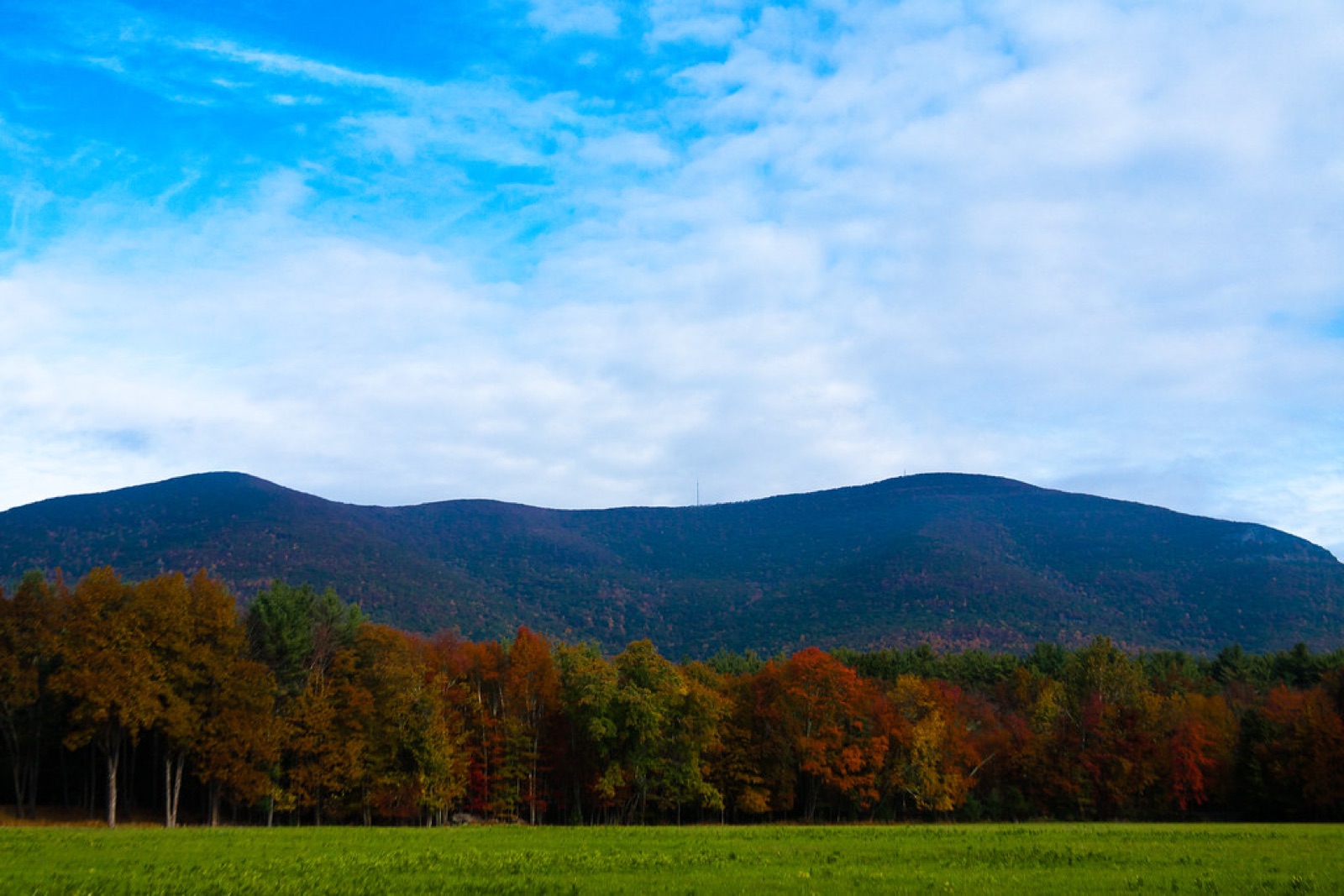
The self-titled follow-up, The Band (1969), was a concept album in disguise — a map of an imaginary America drawn by men who'd toured its backroads for a decade. "The Night They Drove Old Dixie Down" gave Helm a vocal for the ages; "Up on Cripple Creek" invented the swamp groove. The brown album cover, painted by Bob Dylan, completed the package: art that felt dug out of the earth.
Act IV: The road and the weight (1970–1976)
Success extracted its price. Manuel, the soul of the group's vocal blend, struggled with addiction; the touring grind eroded the brotherhood. Still, the run of albums — Stage Fright (1970), Cahoots (1971), the live Rock of Ages (1972) — kept the standards rising.
On Thanksgiving 1976, they ended it on purpose. The Last Waltz, filmed by Martin Scorsese at San Francisco's Winterland Ballroom, gathered Dylan, Neil Young, Joni Mitchell, Muddy Waters, Van Morrison, and Eric Clapton for a farewell that became the greatest concert film ever made. "It's not goodbye," Robertson insisted at the time. "It's just until we're ready to do it again."
They never were — not really.
Act V: Afterlives
The Band re-formed without Robertson in the 1980s and 90s, touring as a beloved ghost until Manuel's death in 1986 and Danko's in 1999. Helm rebuilt his own legend from his Woodstock barn with the Midnight Ramble concerts, earning late Grammys. Robertson scored films for Scorsese, wrote his memoir Testimony, and became the group's chronicler-in-chief. Garth Hudson, the reclusive organ scholar, outlived them all until 2025.
The catalog only grew in stature: "The Weight," "The Night They Drove Old Dixie Down," and "Acadian Driftwood" (a bruised look at the Expulsion of the Acadians — note the Canadian subject smuggled into America's mythology) now read like chapters of a shared continental epic.
Why The Band matters more now
- They invented Americana before the word existed — roots music as mythology, played by a rock band with R&B discipline.
- They modeled the collective — no leader, three lead singers, no solos for solos' sake. Modern indie owes the template.
- They proved Canadians could tell America's story better than America — and smuggle their own history in while doing it.
When Robbie Robertson died in 2023, tributes ran from Bruce Springsteen to the Black Keys, all describing the same debt: the lesson that a band could be a place.
Frequently asked questions
Was The Band Canadian?
Four of the five classic members — Robbie Robertson, Rick Danko, Richard Manuel, and Garth Hudson — were Canadian; drummer Levon Helm was American. The group formed in Canada while backing Ronnie Hawkins.
What is Big Pink?
Big Pink is a house in West Saugerties, New York, where The Band lived and recorded in 1967, creating Music from Big Pink and the basement sessions with Bob Dylan. Its name came from the pink siding.
What was The Last Waltz?
The Last Waltz was The Band's farewell concert, held at Winterland Ballroom in San Francisco on Thanksgiving 1976. Directed by Martin Scorsese, it featured guests including Bob Dylan, Neil Young, Joni Mitchell, and Muddy Waters, and is widely considered the greatest concert film ever made.