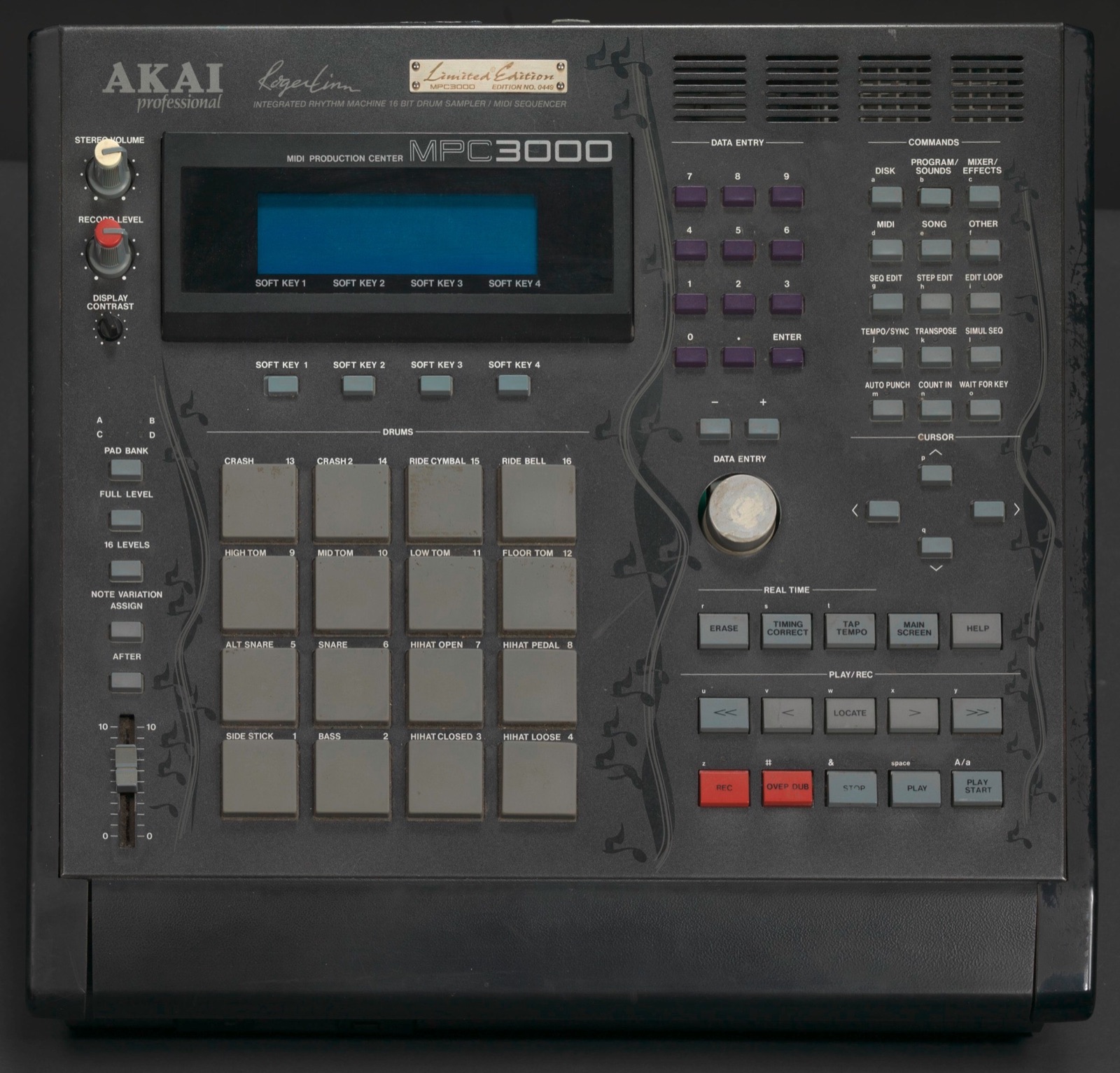
The sampling ledger
- The folk standard as raw material — Gordon Lightfoot's catalog is a producer's goldmine: melody lines and arrangements dense enough to flip, familiar enough to mean something the moment the needle drops. The tradition runs from 90s East Coast records to modern beat tapes — Lightfoot loops turning up in places his original audience would never have looked.
- New wave as boom-bap — The 80s Canadian synth catalog (the Muffins, the Spoons, Trans-X territory) supplies exactly what beat-makers prize: clean, isolated synth figures, dramatic one-bar hooks, and tempos that sit perfectly under a rap verse. The new wave the world misfiled as British (see our feature) sounds, frankly, designed for the MPC.
- The arena-rock flip — BTO riffs and Guess Who breaks have powered party records and underground tapes alike: the heaviest Canadian guitar moments make natural drum-and-riff beds. The working-class stomp of "Takin' Care of Business" is, structurally, a hip-hop break with guitar on top.
- Jazz as foundation — Oscar Peterson's piano, the Boss Brass's charts, Moe Koffman's flute: Canada's jazz catalog is a bottomless well of the break culture's favorite ingredients — swing, space, and one-handed? — keep it clean: swing, space, and musicianship that cuts through any drum programming.
- The Cohen frequency — Leonard Cohen's records sample differently: not the beats but the gravity. Producers reach for his cadences and his chord movement the way they reach for any foundational text — less a loop than a lineage (and his melodies, as our Hallelujah feature documents, have been reworked more than any modern songwriter's).
- Canadian rap sampling Canadian classics — the full circle — The most meaningful entries are domestic: Toronto and Vancouver producers flipping the country's own catalog for the country's own voices — the 6's producers building beats from national sources, creating the first genuinely Canadian sample culture, where the lineage and the future share one waveform.
- The economics of the flip — Every sample is a publishing lesson: the "L" and "M" of MAPL making flipped Canadian records CanCon-eligible, and the sample-clearance economy sending royalties to writers who never imagined their bridge as a rap hook (see our publishing features). The sample is the afterlife — and the invoice.
Why it matters
Sampling is how a canon actually works — not through museum reverence but through reuse, mutation, and rediscovery. Every time a 20-year-old hears a Lightfoot melody surface inside a beat, the classic gains a new listener and the new record gains a depth charge. The conversation between Canada's past and its present isn't metaphorical. It's sampled.
Frequently asked questions
Do hip-hop artists sample Canadian music?
Yes — frequently and across eras: Lightfoot's folk catalog, 80s Canadian synth-pop, BTO's riffs, and Canada's jazz recordings all appear in rap production.
Which Canadian catalogs get sampled most?
The folk-classic canon (Lightfoot, Cohen) and the jazz tradition (Peterson) are perennial sources, alongside the country's 80s synth and arena-rock records.
Do Canadian rappers sample Canadian music?
Increasingly — Toronto and Vancouver producers flipping domestic classics is the newest and most meaningful layer of the tradition.