Chapter one: the craft era (1866–1900)
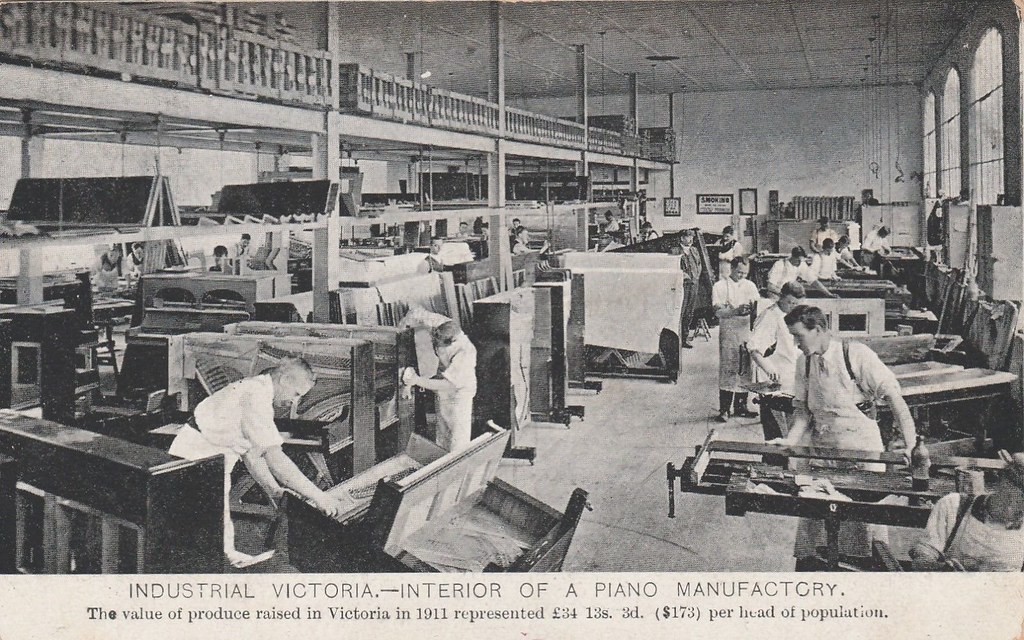
Theodore August Heintzman — a German-born craftsman trained in the great European piano traditions — founded the company with a simple bet: Canada would want good pianos, built to European standards, at prices the growing middle class could reach? — keep it light: built properly, priced for the growing middle class. The bet paid. Through the late 19th century, Heintzman pianos earned international prizes at exhibitions (the era's trade fairs, where manufacturers won their reputations), and the factory scaled: Toronto-made pianos shipped across Canada and abroad, becoming the parlour instrument of choice for households where music was made, not consumed. The piano was the home's entertainment center, its status symbol, its music school — and Heintzman was its Canadian maker.
Chapter two: the piano as infrastructure
The mass-piano era shaped Canadian music in ways the record age never erased: the parlour piano was the country's first distributed musical instrument, and it trained the population — literally (generations learned on home pianos) and culturally (the repertoire of the age flowed through the parlour: hymns, ballads, marches, and the published sheet music that was the era's music industry — see our publishing features). Heintzman sat at the center of that ecosystem: the factory built the instruments; the dealers and teachers (the company's vast dealer network doubled as a music-education empire? — keep it light: the dealer network sold the dream) sold the dream; the concert artists (the era's touring pianists, many Canadian, played the national instrument on national stages) provided the aspiration. Glenn Gould's world (see our classical features) — the Canadian piano tradition — has Heintzman-era roots in every parlour that practiced.
Chapter three: the end of the age
The 20th century's technologies (the radio, the phonograph — see our Berliner feature) slowly retired the parlour piano from its throne: music became consumed rather than made, and the industry consolidated and declined. Heintzman, like all piano makers, faced the long contraction — but the instruments endure: a restored Heintzman remains a prized possession (the old pianos, lovingly maintained, still anchor living rooms, studios, and community halls across the country), and the company's history remains the story of when Canada built its musical infrastructure. Before the record, the radio, and the stream — there was the piano in the parlour, and Toronto built it.
Why it matters
It matters because the infrastructure of music isn't only media and labels — it's instruments, and Canada once manufactured one of the world's great piano traditions. The Heintzman era reminds us that the country's musical self-sufficiency runs deeper than the CanCon debates (see our features): we built the means of music-making, furnished a nation's homes with it, and trained a population to play. Gould's Steinway? — no: keep it clean: The concert tradition built on those parlours. The record industry built on those instruments. The piano came first.
Frequently asked questions
What was Heintzman & Co.?
A Toronto piano manufacturer (founded 1866) — for a century, one of the British Empire’s largest piano works and the definitive Canadian instrument.
Are Heintzman pianos still made?
The original company’s manufacturing era ended in the 20th century’s industry contraction, but Heintzman pianos remain prized, lovingly restored, and still in use across Canada.
Why are pianos important to Canadian music history?
The parlour piano was the country’s first mass-distributed musical instrument — training generations of players and anchoring the home-music culture that preceded records and radio.