Chapter one: the recording era
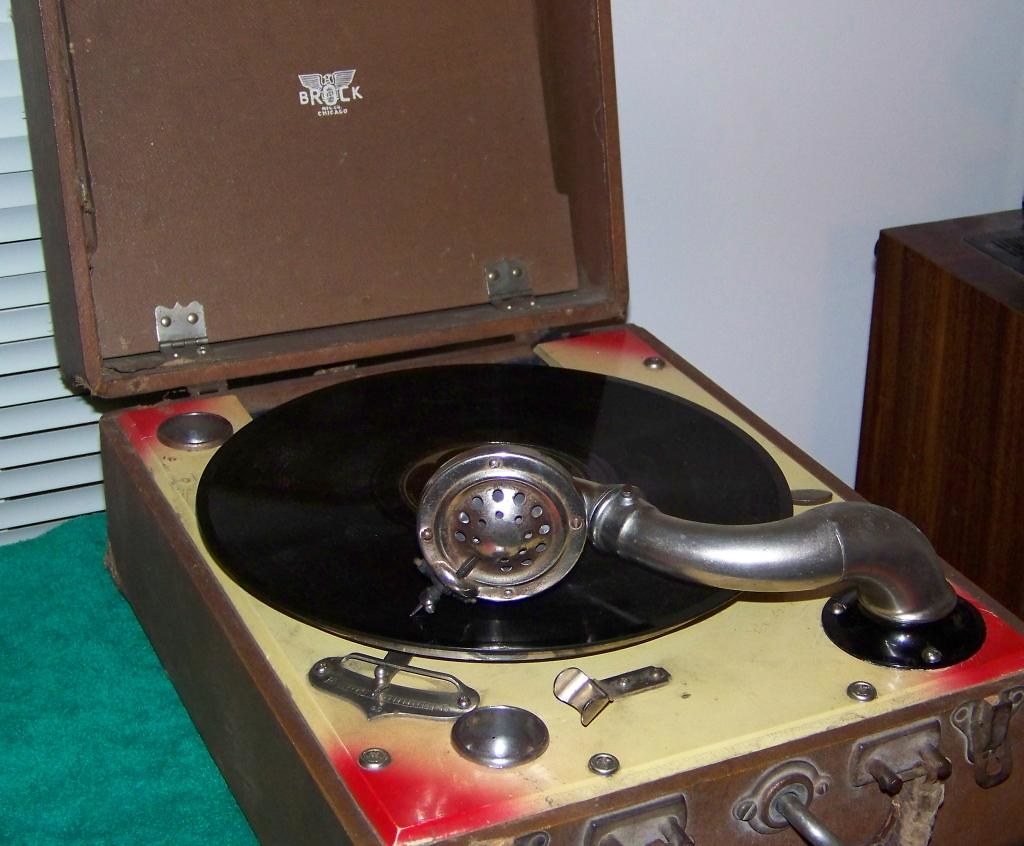
When ethnographers and commercial record companies (the early labels saw a market in "exotic" recordings — keep it light: the early labels saw both scholarship and commerce in the recordings) took disc-cutting machines into Indigenous communities in the early 20th century, they captured the first audio documents of traditions previously transmitted solely in person: ceremony-adjacent songs, social dance music, personal songs, and spoken testimony. The discs are the earliest sonic evidence of musics — Mi'kmaq, Haida, Cree, Inuit, and dozens more — that the colonial project was actively trying to suppress (the potlatch ban and residential school era ran concurrent with the recording era, a contradiction the archive makes audible). Some recordings were made with consent and payment; many were not, in any sense the modern understanding would accept.
Chapter two: the archive and its problems
The discs scattered: into museums (the national collection holds thousands), into private hands, into foreign archives, onto reissue compilations. For decades, the primary access to these recordings was through non-Indigenous gatekeepers — collectors, labels, and scholars who framed the music as artifact rather than inheritance. The recordings' subjects — the communities whose ancestors' voices the discs hold — often had no access, no authority, and no benefit. The modern reckoning (see our collecting-ethics features) has been blunt: the archive was built by extraction, and its custodianship must change. Repatriation — the return of recordings and authority to source communities — is now the field's central project.
Chapter three: the living legacy
And yet the discs sing: the 78s are the bridge between the pre-recording tradition and the Indigenous music renaissance of the present (see our Indigenous-playlist feature) — the proof of continuity, the source material for contemporary artists reconnecting with repertoire their communities were severed from, and the foundation of a recorded tradition that now belongs to the fastest-growing, most exciting sector of Canadian music. Current Indigenous artists sample, cover, and converse with the early recordings — turning an archive of extraction into an inheritance reclaimed. The earliest discs were cut by outsiders for outsiders. Their future is owned, at last, by the voices they contain.
Why it matters
The First Nations 78s matter because they're where Canadian recorded music begins — before Lightfoot, before the Crew-Cuts, before Berliner: with the voices this land was singing before the country existed. And they matter because they teach the hardest lesson the archive offers: preservation without consent is theft with a library card. The voices are still singing. The question the discs ask — who owns a song? — is the one the whole industry is finally, belatedly, asking too.
Frequently asked questions
What are First Nations 78s?
The earliest commercial and ethnographic recordings of Indigenous music in Canada — 78rpm discs cut from the 1910s–1930s, now scattered across museums and archives.
Why are the 78s controversial?
Many were recorded without meaningful consent, held by non-Indigenous institutions, and accessed by everyone except the communities they document — fueling today’s repatriation movement.
How are the recordings used today?
As source material for the Indigenous music renaissance — contemporary artists reconnecting with repertoire and turning an extracted archive into a reclaimed inheritance.