The friction canon
- The producer who made the band play until it hurt — The Bob Rock story (see our features): Dr. Feelgood and the Black Album sessions were famously grueling — the producer's exactitude against the band's fatigue, take after take, until the records clicked with the iron inevitability the world eventually heard. The fight was the polish. The polish was the career.
- The co-producer who forced the double album — The The Wall sessions (see our Ezrin feature): Ezrin pushing Roger Waters toward scale and discipline, Waters resisting, the tension producing the architecture. The argument about what the album should be became what the album is.
- The band that argued itself into its best records — Rush's democratic brutality? — keep it light: Rush's consensus-by-combat (see our features): three virtuosos whose arrangements were forged by mutual veto — the "nobody settles" ethic that produced the precision the world marveled at. The fight was the arrangement.
- The label-vs-artist standoffs — The classics made despite the label (see our last-minute-singles feature): the single the label hated becoming the hit, the album cover the company fought becoming the iconic one — the friction between commerce and art occasionally resolving in art's favor, publicly.
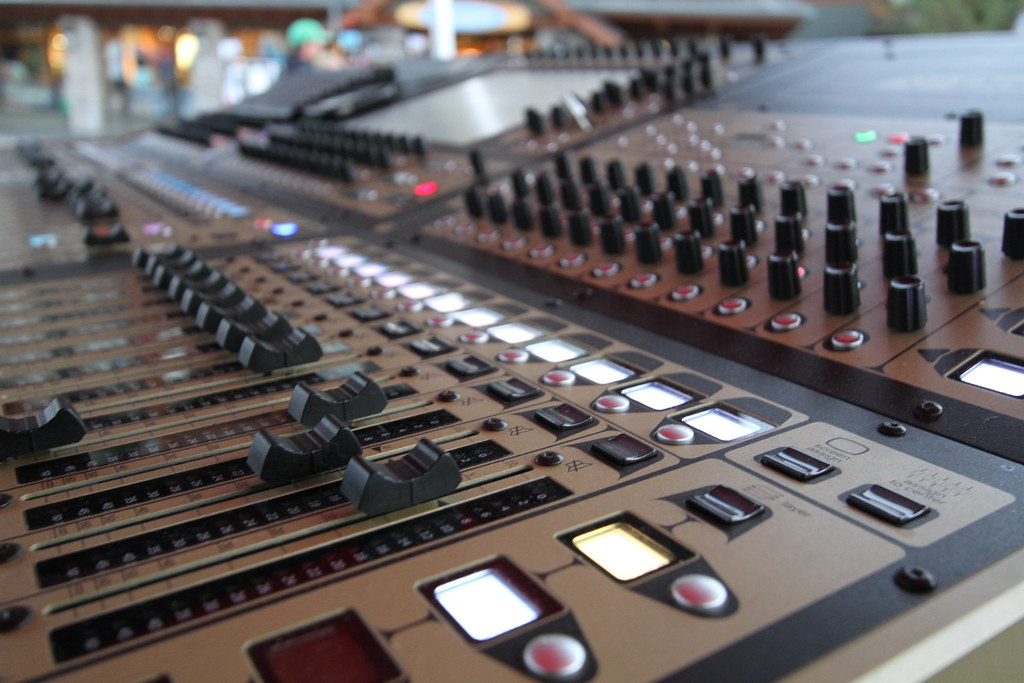
- The mixing-board wars — The mix arguments — the EQ war? — keep it light: the level wars, the "the vocal's too loud/too quiet" standoffs — the low-stakes fights that are secretly the aesthetic being decided: what a record believes about itself, settled in dB. Canada's producers (see our features) carry whole careers of these stories.
- The walkout that worked — The member who left the session, the band that split mid-take, the reconciliation that produced the take that made the record (see our happy-accidents feature): sometimes the fight is the break, and the break is what the song needed.
Why friction works
Friction works because art is decision under pressure, and a comfortable room makes easy decisions. The fight — the second opinion, the enforced standard, the refusal to settle — burns off the facile, the lazy, the merely-okay, until the record has to be right. Canada's best records (see our features) weren't made in peace; they were made in the productive war between people who cared enough to argue. The control room, it turns out, is a gym. The fights are the workout.
Frequently asked questions
Do studio fights make better records?
Often, yes — creative friction enforces standards and burns off the easy choices; many of Canada’s greatest records were forged by argument (see our features).
What famous Canadian records came from studio conflict?
The Bob Rock–produced metal landmarks (Metallica’s Black Album, Mötley Crüe’s Dr. Feelgood) and the Ezrin–Waters Wall sessions are the canonical cases.
Are producer-artist conflicts common?
Yes — the relationship’s very structure (one person’s vision versus another’s) generates productive friction; the best records come when the friction has a referee and a deadline.