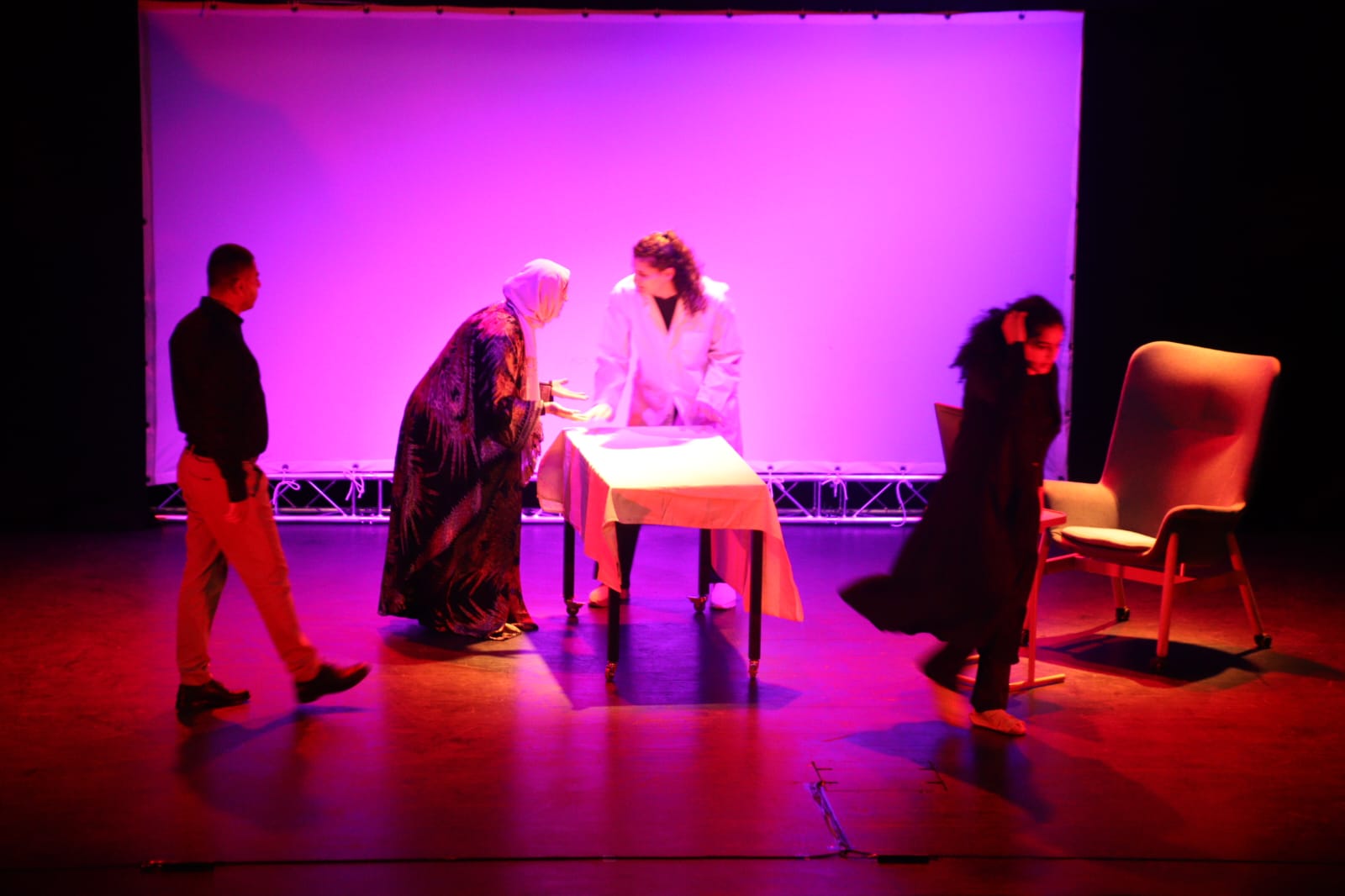
Chapter one: the theatrical turn
Dufresne emerged from Quebec's 60s yé-yé era (see our 60s feature) and immediately distinguished herself from it: where yé-yé was breezy, Dufresne was intense — a vocalist of remarkable power and theatrical instinct who treated each song as a scene and each concert as a production. Through the 70s, her shows became events: staged, costumed, dramatically lit — the chanson concert raised to spectacle without losing its intimacy? — keep it clean: the chanson concert raised to spectacle while keeping its emotional directness. She was Quebec's answer to the era's theatrical rock excess? — keep it clean: she was Quebec's own answer to theatrical rock excess, but with songs at the center — the chanson's literate writing delivered at stage-musical scale.
Chapter two: the Angélil connection
In the audience? — no: In her management story lies one of Quebec music's great through-lines: her manager was René Angélil, the young impresario who learned the star-building craft on Dufresne's career — the staging, the presentation, the scale — before applying it, decades later and on a planetary level, to Céline Dion (see our Céline features). Dufresne's theatrical model — the singer as total production — is, in a real sense, the ancestor of the Quebec pop spectacle that Céline's career perfected. The lineage runs from the Dufresne stage to the Caesars Palace? — keep it clean: the lineage runs from Dufresne's stages to the Quebec pop-spectacle tradition the province now exports worldwide.
Chapter three: the enduring grande dame
Dufresne's later decades confirmed her status as Quebec's grande dame of theatrical song: the catalog canonical, the performances still events, the influence on the province's singer-tradition acknowledged by the generations who grew up watching her make the concert a place — somewhere drama and song meet. In the chanson's long line of great voices (see our feature), she remains the one who thought biggest about what a concert could be.
Why she matters
Dufresne matters because she expanded the chanson's ambitions — proving the tradition could hold spectacle, drama, and pop-scale showmanship without surrendering its soul — and because her stagecraft wrote the playbook Quebec's pop exports still use. Also, a woman with a voice like that needs no other justification. Quebec knew it first.
Frequently asked questions
Who is Diane Dufresne?
A legendary Quebec singer of the 70s–80s — the chanson tradition’s theatrical superstar, famous for staged, costumed concerts of real drama.
What is the René Angélil connection?
Angélil managed Dufresne early in his career — the apprenticeship that preceded his decades-long management of Céline Dion.
What made Dufresne’s concerts special?
Total theatre: staging, costumes, and drama at pop scale — the chanson concert reinvented as spectacle without losing its emotional core.