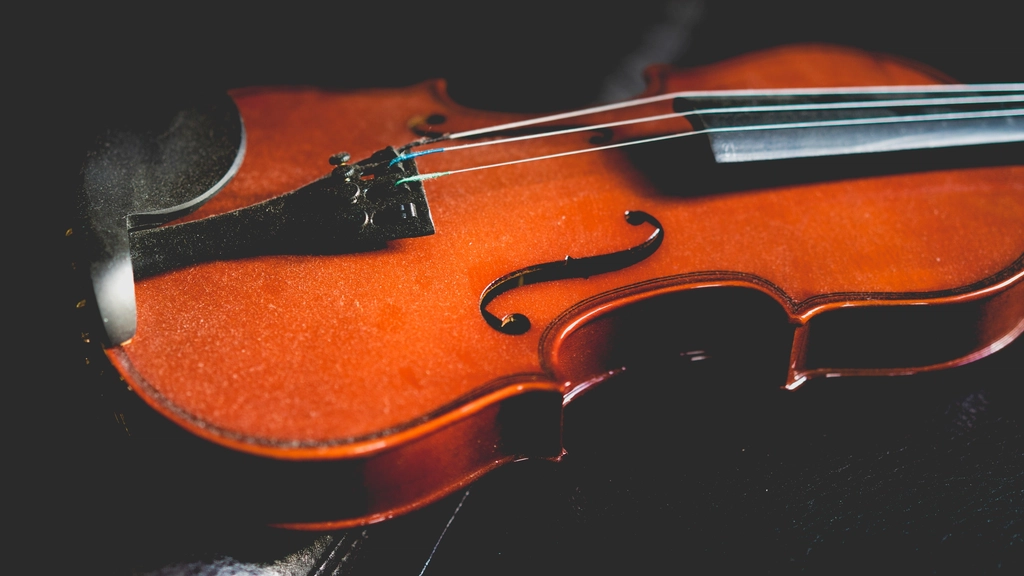
Chapter one: how the tradition survived
The story begins with the Highland Clearances. In the late 18th and early 19th centuries, Scottish families — many of them Gaelic-speaking, fiddle-playing Highlanders — were displaced to Cape Breton, where the rocky landscape and isolation recreated the old country in miniature. Cut off from Scotland, the island's musicians kept the music exactly as it had been: the driving, ornamented Highland style of strathspeys, reels, and jigs, played for step-dancing and square dances in community halls. When Scotland's own tradition faded into the Victorian parlor and the classical conservatory, Cape Breton kept the dance fires burning. The "Cape Breton style" — percussive bowing, intense drive, tunes learned by ear across generations — became, in a remarkable historical reversal, the reference standard for Scottish fiddlers rediscovering their own music.
Chapter two: the lineage
The tradition's guardian angels form a clear line: “Big” Ronald MacKinnon and the early masters; the legendary Angus Chisholm and the Cape Breton Symphony of radio fame? — keep it clean: mid-century masters like Angus Chisholm brought the style to radio; and then Buddy MacMaster — "the Godfather of Cape Breton fiddling" — whose pristine, driving playing made him the tradition's living standard for decades. Around them, the culture stayed whole: the Gaelic language, the milling frolics, the step-dancers, the family bands. The Rankins — a musical family from Mabou — carried island voices to the whole country in the 90s.
Chapter three: the explosion
The 1990s revival made Cape Breton a brand. Ashley MacIsaac, the prodigy from Creignish, detonated the mainstream with Hi™ How Are You Today? (1995) and the dance-floor "Sleepy Maggie" — trad tunes fed through rock voltage, controversial and thrilling in equal measure. Natalie MacMaster, Buddy's niece, became the tradition's global ambassador — a MacArthur-level? — keep it clean: a touring phenomenon whose precision and joy carried the pure style to concert halls worldwide, earning her a reputation as one of the finest fiddlers alive. The Barra MacNeils and a wave of younger players followed; Celtic Colors, the island's annual festival (founded 1997), turned Cape Breton into a pilgrimage site for musicians and fans from every Celtic nation.
Chapter four: now
The tradition is simultaneously archival and alive: master-apprentice teaching continues, young players stream to the island to study the style, and the dances still fill halls from Glencoe to Christmas Island. The Gaelic College in St. Ann's teaches the whole culture — language, music, dance — while the MacMasters, the Rankins' legacy, and a new generation keep the fiddle's drive undiminished. The old world didn't die in Cape Breton. It got a second address.
Why it matters
Cape Breton's story is the deepest case study in Canadian music of what a small place can preserve when it refuses to let go — and what happens when it finally lets the world in on the secret. Scotland lost the style and had to come to Nova Scotia to get it back. That fact alone makes the island one of the most important music places on earth, full stop.
Frequently asked questions
Why is Cape Breton famous for fiddling?
Scottish Highland immigrants preserved the old driving fiddle style there for two centuries after it faded in Scotland — making Cape Breton the tradition's world reference point.
Who are the most famous Cape Breton fiddlers?
Buddy MacMaster (the tradition's godfather), his niece Natalie MacMaster (the global ambassador), and Ashley MacIsaac (the 90s mainstream detonation) are the iconic names.
What is Celtic Colors?
The annual international Celtic festival on Cape Breton Island, founded in 1997 — a nine-day celebration that draws musicians and fans from every Celtic nation.