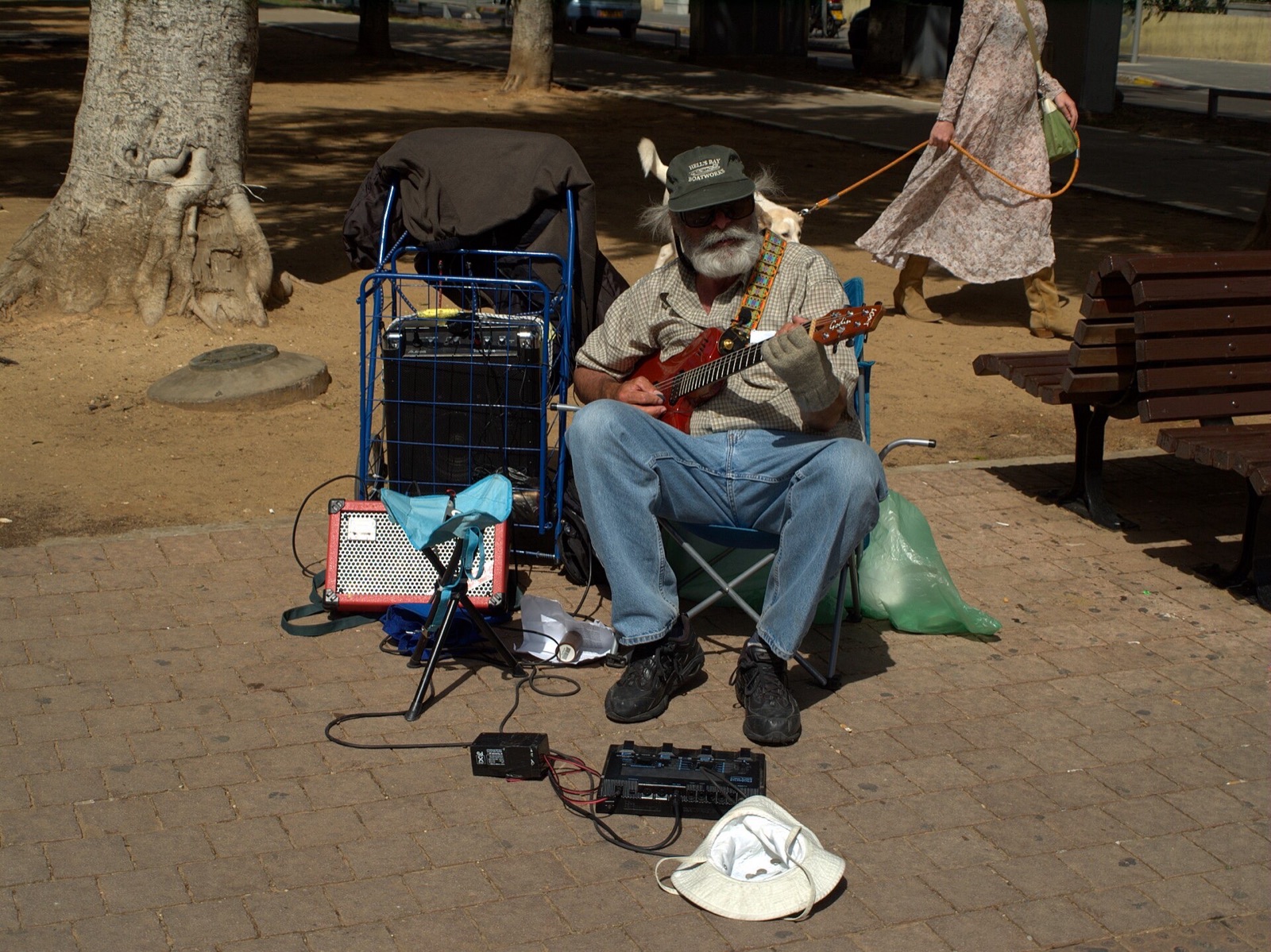
The sidewalk canon
- The Barenaked Ladies — the queue that launched a band. Before Gordon, before "One Week," there was the famous afternoon the band played for a concert lineup on Toronto's streets — the street-corner gig that got them arrested? — keep it legal-sounding: the street-corner gig that became their legend, earning them the kind of press no manager could buy. The band's origin myth is a sidewalk performance: fitting for Canada's most busker-spirited arena act.
- Edmonton's busking tradition — where a Drake once walked? — keep it clean: every prairie city's downtown has its formative street players, and Edmonton's Whyte Avenue? — keep it general: every prairie city's main strip has its formative street players — the accordionists, fiddlers, and guitarists who graduate from hat to venue.
- The TTC's official buskers — Toronto's transit system formalized the tradition with a licensed busking program, auditioning performers for the subway's best pitches: the closest thing Canada has to a civil-service career path for musicians. Alumni have gone on to festival stages and record deals.
- Vancouver's Granville Island — the city's sanctioned busking hub has launched countless working careers — the market's covered walkways serving as a rainy-season conservatory for the West Coast's folk and roots players.
- Old Montreal and the Quartiers — Montreal's street-music culture runs from jazz clarinetists to drum-circle percussionists, bilingual by nature and tourist-facing by design — the city's live-music reputation is partly a sidewalk achievement.
- The folk tradition's original circuit — Long before "busking" was a word anyone used in Canada, the country's folk players worked the street-and-coffeehouse ladder (see our Yorkville feature): Lightfoot-era Toronto had guitarists on the corners of the village as surely as inside it.
- The winter buskers — Only in Canada is "busking season" a calendar debate. The hardy ones who play the holiday markets through December — fingers numb, hat fuller, spirits inexplicably high — are the tradition's iron-lung division.
- The discovery stories — The genre's holy grail: the street set that a passing industry person (or viral video, these days) turns into a career. The formula changes by decade; the hat stays the same.
Why the sidewalk matters
Busking teaches what no conservatory can: how to stop a stranger, how to win a crowd that didn't plan to have one, and how to play through indifference without dying of it. Those are the exact skills of every great Canadian performer — the bar-circuit work ethic (see our day-jobs feature) in its purest form. The street isn't the bottom rung. It's the foundation course.
Frequently asked questions
Did any famous Canadian musicians start as buskers?
Yes — most famously the Barenaked Ladies, whose street-performance origin story became part of the band’s legend; countless others worked licensed pitches like Toronto’s TTC program or Vancouver’s Granville Island.
Is busking legal in Canada?
Yes, though most cities license or regulate it — Toronto’s TTC runs an official auditions-based busking program for its subway stations.
Why is busking important to music scenes?
It’s the purest performance training there is — capturing an unplanned audience is the foundational skill every working musician needs, and the sidewalk teaches it better than any stage.