Chapter one: the formula (1996)
The ingredients were pre-mixed: the 90s alt boom was cresting (see our full feature), MuchMusic was at its peak as the country's music television, and the CD had made compilation albums feel premium — shiny, skip-resistant, perfect for the car and the Discman. Big Shiny Tunes Volume 1 (1996) packaged the moment: modern-rock hits and MuchMusic favorites sequenced like the channel's own countdown. The formula worked instantly; successive volumes arrived annually, each one a yearbook — and like yearbooks, they sold in massive numbers to an audience that experienced them as consensus documents: this is what we're all listening to, this is what this year sounded like.
Chapter two: the golden age (1997–2002)
The series' peak run tracked the boom's peak. The big volumes stacked multi-platinum sales and spawned? — keep it clean: and dominated the seasonal sales charts; their tracklists read like MuchMusic rotation in reverse? — keep it clean: their tracklists doubled as the era's definitive playlists — Sloan and Our Lady Peace and Big Wreck and I Mother Earth sharing discs with the international hits (Smashing Pumpkins, Foo Fighters, the Offspring) that the same radios and screens played. For Canadian teens in the CD era, the annual Big Shiny Tunes purchase was a ritual on the level of the school dance: the record of the year you'd just lived. And for Canadian bands, a placement was a milestone — proof you'd made the national conversation, pressed onto the disc everyone owned.
Chapter three: the fade and the fossil record
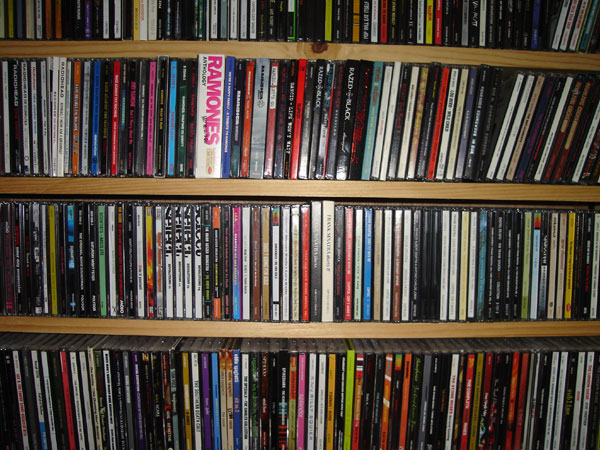
The franchise outlived the boom it documented, releasing volumes into the 2000s before the culture moved on: file-sharing killed the compilation's economics (why buy the disc when the tracks are free?), iTunes killed the album's necessity, and the algorithm finally killed the shared playlist — no national teenager consensus exists to soundtrack anymore. The series wound down quietly, a victim of the atomization it once resisted. But the discs survive in basements and thrift stores across the country, each one a fossil layer of the 90s: play Volume 3 and an entire adolescence reassembles itself.
Why it matters
Big Shiny Tunes matters because it was the last mass-cultural music object — the final format before streaming dissolved the nation's listening into individual feeds. For about six years, Canada's teenagers bought the same record at the same time and heard the same songs in the same order. That shared experience — the yearbook, the ritual, the consensus — was the compilation album's whole gift. Spotify can sequence the same tracks. It cannot sequence the same us.
Frequently asked questions
What was Big Shiny Tunes?
A MuchMusic-branded annual compilation album series (launched 1996) featuring the era’s alt-rock hits — one of the bestselling compilation franchises in Canadian history.
When did Big Shiny Tunes start?
1996, with annual volumes following through the 2000s.
Why did compilation albums die?
File-sharing and then streaming dissolved the economics and necessity of buying pre-sequenced song collections — the same forces that fragmented the shared national listening the compilations embodied.