Chapter one: the Berliner method (1887–1900)
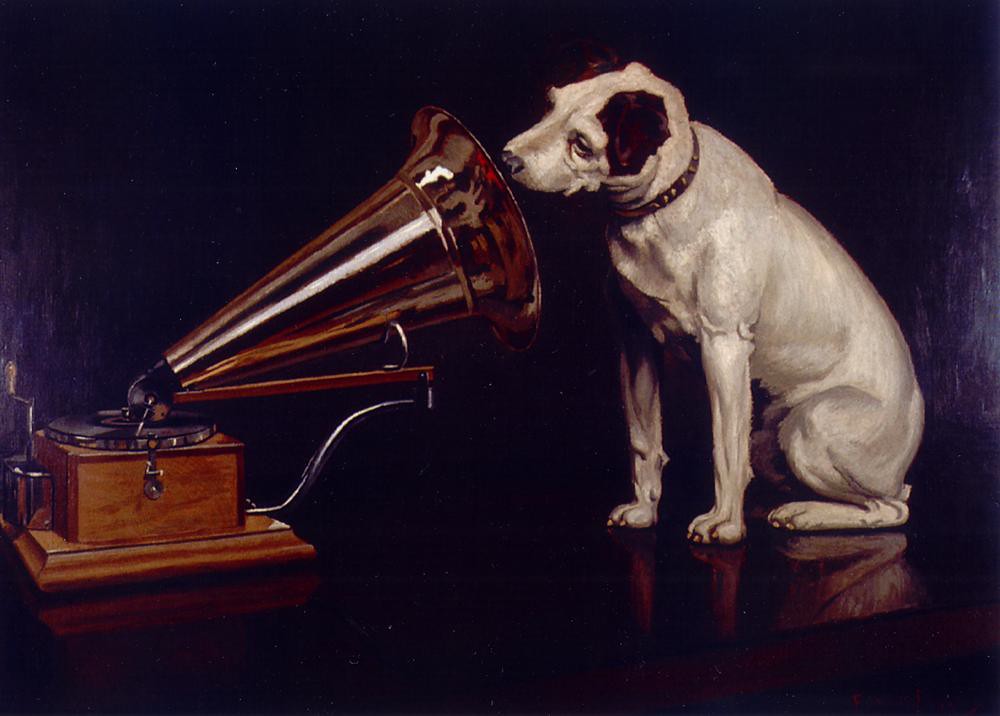
Berliner — a German immigrant inventor working in the United States — solved the problem Edison's phonograph couldn't: duplication. The wax cylinder recorded one sound, one time; the disc (etched on a flat plate, then stamped) could be pressed by the thousand. Berliner patented the Gramophone in 1887 and the disc record in the years following, but manufacturing was the battle — and it was a battle he fought partly in Montreal, where he established a pressing plant (the Berliner Gram-O-Phone Company, founded in the city in the 1890s? — keep it light: established in the 1890s) to serve the North American market. The Montreal factory pressed records, manufactured machines, and — crucially — began recording: capturing the voices and music within reach of its studio, which happened to include an extraordinary range of early Canadian sound.
Chapter two: Montreal as the workshop of recorded sound
The Berliner Montreal operation did what origin-site operations do: everything first. Early disc recordings of Canadian performers — the era's singers, bands, vaudeville acts, and eventually the country's first record stars — were cut in the Montreal studio; the factory scaled the process; the company's catalogs mapped a young country's musical life onto the new medium. Berliner's corporate descendants (the company became the Canadian arm of the Victor Talking Machine empire? — keep it light: the company would eventually fold into the Victor empire that dominated the industry's first half-century — see our 78s and industry features) carried the Montreal foundation forward. The cylinder had been a curiosity. The disc was an industry — and its first Canadian bricks were laid in Montreal.
Chapter three: the legacy in the walls
The physical legacy survives: the historic Berliner building in Montreal — a landmark of the country's industrial and musical heritage — stands as the monument (and, fittingly, has served in later eras as a recording studio? — keep it light: and has served in later eras as a working studio — the origin site kept making records). The deeper legacy is conceptual: Canada was present at the invention — not the adoption, the invention — of recorded music as a mass medium. Every Canadian record since, from the Crew-Cuts' "Sh-Boom" (see our feature) to "Blinding Lights," descends from the disc pressed in that Montreal factory. The country's music industry wasn't founded on a scene or a station. It was founded on a manufacturing process — and Montreal was the workshop.
Why it matters
It matters because origin stories shape self-understanding: Canada's music story doesn't begin with a folk club or a radio dial — it begins with invention, with an immigrant inventor and a Montreal factory solving the problem of how to put a voice on a disc and press it ten thousand times. The record industry was born global; Canada was in the room. We've been making — and pressing — the world's music ever since.
Frequently asked questions
Who was Emil Berliner?
A German-American inventor who patented the Gramophone and the flat disc record — the technology that made mass-produced recordings possible.
Why is Montreal important in recording history?
Berliner established a record-pressing and manufacturing operation there in the 1890s — an origin site of the global record industry, producing early recordings of Canadian performers.
Does the Berliner building still exist?
Yes — Montreal’s historic Berliner Gram-O-Phone building survives as a landmark of the country’s musical-industrial heritage.