Chapter one: the ritual
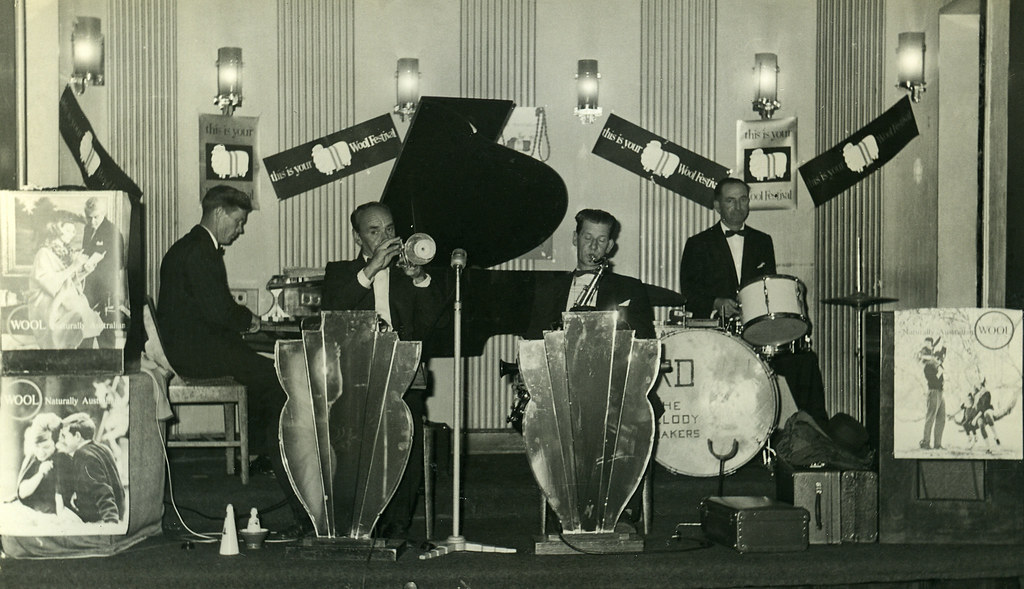
The form is eternal: four or five young bands, a strict set-length (fifteen minutes — the discipline's first lesson), a panel of judges (the local music-store owner, the radio-station DJ, the one guy who knows? — keep it light: the local DJ, the music-store sage, the scene elder), and a prize that matters less than the verdict (bragging rights, a demo session, a slot at the town fair — keep it light: bragging rights and the slot at the town fair). The audience — friends, rivals, the other bands' parents — provides the pressure the room requires. You learn more in one battle than in a year of basement rehearsals: how to start (no warm-up drift — the clock is real), how to end (the final chord judged as harshly as the first), and how to lose (the second-place band often works harder than the winners — the circuit's secret engine? — keep it light: the second-place band often works hardest, which is the circuit's secret engine).
Chapter two: the alumni
The battle circuit's alumni list is, quietly, enormous — generations of Canadian bands (see our features) cut their teeth on the Saturday-matinee circuit before any label or venue knew they existed. The circuit functions as the industry's pre-filter: it teaches the fundamentals the pros take for granted (tightness, stagecraft, the fifteen-minute economy — keep it light: tightness, stage presence, economy), and it surfaces the standouts early (the band that wins the legion hall at sixteen is the band booking the club at twenty — see our venues features). The modern version (the sponsored nationals, the university competitions, the radio-station contests — keep it light: the sponsored nationals and radio contests) kept the tradition running through the industry's upheavals: the ritual persists because the need persists — young bands need somewhere to be judged before they can be booked.
Chapter three: the enduring worth
In the algorithm age (see our features), the battle's value has increased: a generation raised on metrics discovers, in the legion hall, the oldest metric of all — a room of people, watching, deciding. The battle can't be gamed, optimized, or streamed? — keep it light: the battle can't be gamed or optimized; it can only be played, and the verdict is immediate and human. Bands still form for it, still rehearse toward it, still remember their first one decades later (the alumni talk about their battles the way athletes talk about tryouts — formative, unfair, and somehow the point of the whole thing). Somewhere in Canada this Saturday, a sixteen-year-old is loading a drum kit into a community hall, about to learn everything. The proving ground holds. The judges are waiting. Fifteen minutes. Go.
Why it matters
It matters because the battle is where musicianship is tested — the only amateur format where the verdict is immediate, public, and beyond appeal (see our open-mic feature for the gentler cousin). The circuit has been building Canada's bands for seventy years: garage to gymnasium to glory, one judgmental Saturday at a time. The trophy's a joke. The lesson isn't. Play the battle.
Frequently asked questions
Do battle of the bands still exist in Canada?
Yes — the circuit persists (schools, legion halls, community events, sponsored nationals) and remains a formative rite for young bands.
Have famous Canadian bands played battles?
Generations of bands (see our features) cut their teeth on the amateur competition circuit before graduating to the club and festival stages.
What does a battle teach?
The fundamentals: tight fifteen-minute sets, stage presence, and losing gracefully — the lessons the pros assume and amateurs need.